
Whale Shark Habitat: 5 Stunning Reasons to Visit Indonesia
Whale shark habitat in Indonesia has officially become one of the world’s most important global destinations for marine conservation and eco-tourism. Comprehensive scientific research conducted from 2015–2025 has identified specific, nutrient-rich aquatic areas that hold the absolute key to the long-term survival of these endangered species. Among these vital locations, Cenderawasih Bay and Saleh Bay stand out distinctively as the two most crucial and heavily protected zones in the entire archipelago.
If you are planning an unforgettable vacation to witness these majestic creatures up close, Komodo Tour Indonesia offers incredible, custom-tailored travel packages designed to experience this stunning natural wonder. Here are 5 stunning, scientifically backed reasons why these two bays serve as the most perfect environment for these magnificent gentle giants.
1. Year-Round Presence in This Whale Shark Habitat
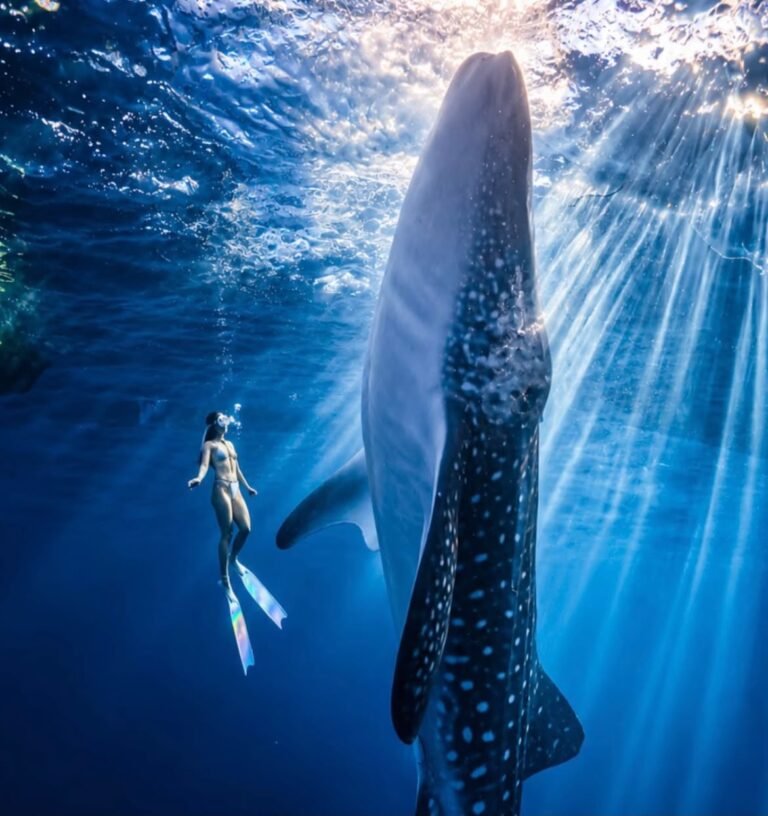
Unlike many other seasonal migration spots around the globe where these magnificent creatures only appear briefly for a few weeks, whale sharks can be found roaming in Cenderawasih Bay and Saleh Bay throughout the entire year. The highly unique geographical structure of these land-locked bays provides relatively calm, sheltered, and deeply protected waters that act as a perfect marine sanctuary. This incredible stability allows a permanent population to thrive comfortably within the region without the constant threat of open-ocean predators.
Because these tropical waters offer a safe haven blessed with highly stable sea temperatures and consistent weather patterns, these gentle giants do not feel any biological urge or ecological pressure to migrate across vast, unpredictable oceans. This extraordinary, year-round phenomenon successfully makes the region a premier destination for international researchers, marine biologists, and passionate underwater enthusiasts.
2. The Unique Relationship with Local 'Bagang'
The local fishermen in these areas have long used traditional floating fishing platforms locally known as bagang to catch small anchovies. Over the years, the resident whale sharks have developed a fascinating, learned behavior by gathering directly underneath these platforms to feed on the small fish that naturally spill or escape from the fishermen’s nets.
This unique interaction has created a sustainable, daily food source within this premier whale shark habitat that keeps the sharks well-fed and close to the surface. Furthermore, this cooperative relationship has successfully transformed local fishermen into dedicated guardians of the sea, as they now actively protect the sharks from external harms.
3. Perfect Natural Nursery Grounds
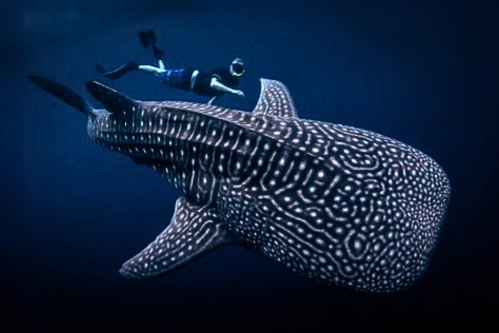
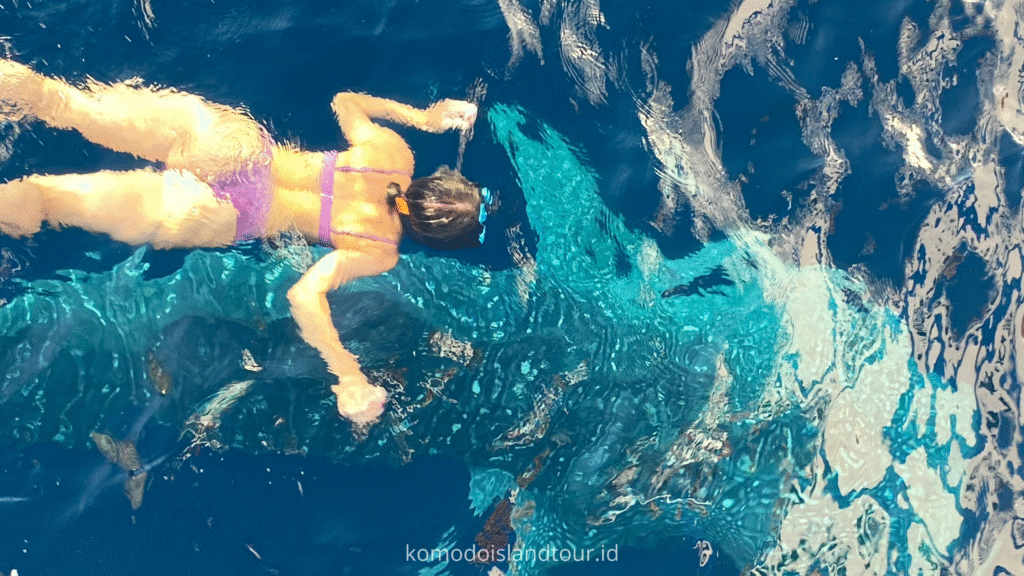
Recent comprehensive marine surveys conducted by international conservation groups like IUCN Red List indicate that a surprisingly significant percentage of the whale sharks identified in Saleh Bay are healthy juveniles and sub-adults. Marine biologists strongly believe this suggests the bay acts as a critical natural nursery ground for the species.
The protected environment of the bay offers a crucial sanctuary where younger, vulnerable sharks can feed, grow, and mature safely away from large deep-sea predators. Protecting this specific lifecycle stage is absolutely vital for ensuring the long-term survival and population recovery of these endangered animals.
4. Abundant Food Supply and Rich Ecosystem
Both marine bays are incredibly blessed with highly concentrated masses of plankton, krill, and small pelagic fish, which form the primary diet of these filter-feeding giants. The combination of deep-sea upwelling, rich organic nutrients, and favorable local ocean currents ensures that this area maintains a constantly renewing food supply. This rich underwater biodiversity not only satisfies the massive daily caloric needs of the world’s largest fish but also supports a thriving coral reef system. Consequently, the entire marine ecosystem stays perfectly balanced, making it a highly resilient environment for various marine species.
5. Safe Marine Protected Areas (MPA)
Recognizing the ecological importance of these waters, the Indonesian government alongside local community leaders has officially designated both bays as strictly managed Marine Protected Areas (MPA). This high level of legal protection effectively minimizes large commercial shipping lanes, controls tourist numbers, and heavily bans destructive fishing methods like dynamite or cyanide fishing.
As a direct result of these strong conservation enforcement efforts, this unique whale shark habitat allows the sharks to live, feed, and thrive without facing significant human threats or habitat degradation. To support this sustainable eco-tourism and see these magnificent creatures up close, let’s join with us at Komodo Tour Indonesia on our next exclusive eco-journey.
 English (UK)
  Bahasa Indonesia
  Français
  简体中文
简体中文  Bahasa Indonesia