Komodo National Park: Rising Tourism and the Beauty of Indonesia’s Island Paradise
Introduction
Indonesia is home to some of the world’s most remarkable natural destinations, and Komodo National Park stands out as one of its most extraordinary places. Located in East Nusa Tenggara, this protected area combines dramatic island landscapes, crystal-clear waters, unique wildlife, and rich marine biodiversity. It offers travelers an opportunity to experience a side of Indonesia that feels both adventurous and deeply connected to nature. Over the years, Komodo National Park has become an increasingly popular destination for international and domestic travelers. Images of its rolling green hills, secluded beaches, turquoise bays, and famous Komodo dragons have attracted attention from people looking for something beyond a conventional beach holiday.
According to the October 7, 2026, report referenced for this article, Komodo National Park recorded 379,554 visits between January and September 2026, compared with 339,938 visits during the same period in 2025. This represents an increase of approximately 11.7%. The figures highlight the continued interest in Komodo National Park tourism and its growing importance within Indonesia’s travel industry. However, rising visitor numbers also bring important responsibilities. Protecting wildlife, maintaining marine ecosystems, supporting local communities, and managing visitor activities are essential to ensuring that the destination remains attractive for future generations.

Komodo National Park Tourism Continues to Grow
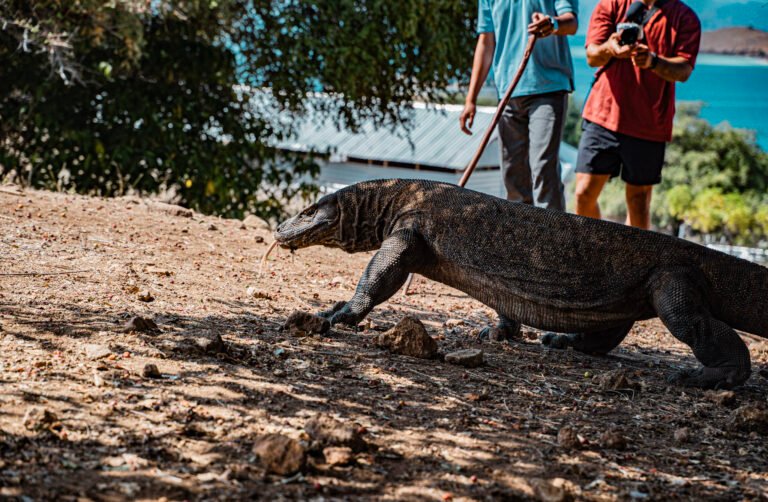
The growing popularity of Komodo National Park reflects the destination’s ability to offer several experiences within one remarkable region. Visitors can observe Komodo dragons, hike across scenic hills, relax on distinctive beaches, explore coral reefs, and travel between islands by boat.
The reported visitor figures for January to September 2026 show an increase from 339,938 visits in 2025 to 379,554 visits in 2026. The difference amounts to 39,616 additional visits, representing growth of around 11.7%. This development illustrates the destination’s strong appeal. Travelers are increasingly interested in experiences that combine beautiful scenery, wildlife encounters, outdoor activities, and opportunities to explore places that feel different from heavily developed tourist centers.
Social media has also helped introduce Komodo National Park to wider audiences. Photographs of Padar Island’s panoramic viewpoints, videos of Komodo dragons in their natural habitat, and sailing experiences around Labuan Bajo have encouraged more people to consider visiting the region. Nevertheless, visitor growth should be considered alongside environmental protection. A successful tourism destination is not defined solely by the number of people arriving, but also by its ability to maintain healthy ecosystems, deliver safe experiences, and provide meaningful benefits to local communities.

Where Is Komodo National Park?
Komodo National Park is located in West Manggarai Regency, East Nusa Tenggara, Indonesia. The protected area lies between the islands of Flores and Sumbawa and includes several major islands, smaller islands, and surrounding marine environments. Established in 1980, the national park was created to protect Komodo dragons and their natural habitats. In 1991, UNESCO recognized Komodo National Park as a World Heritage Site because of its outstanding natural significance.
The park’s best-known islands include Komodo, Rinca, and Padar. Each offers a different experience, from wildlife observation and rugged savanna landscapes to spectacular viewpoints and access to surrounding coastal waters. The combination of terrestrial and marine ecosystems makes the area particularly valuable. Its landscapes support distinctive wildlife, while its waters contain coral reefs, tropical fish, and other marine species. For visitors, this means that a trip to Komodo National Park can include much more than observing its famous reptiles. It can also be an opportunity to appreciate the ecological diversity that makes this part of Indonesia internationally significant.
Padar Island: One of Indonesia's Most Iconic Viewpoints
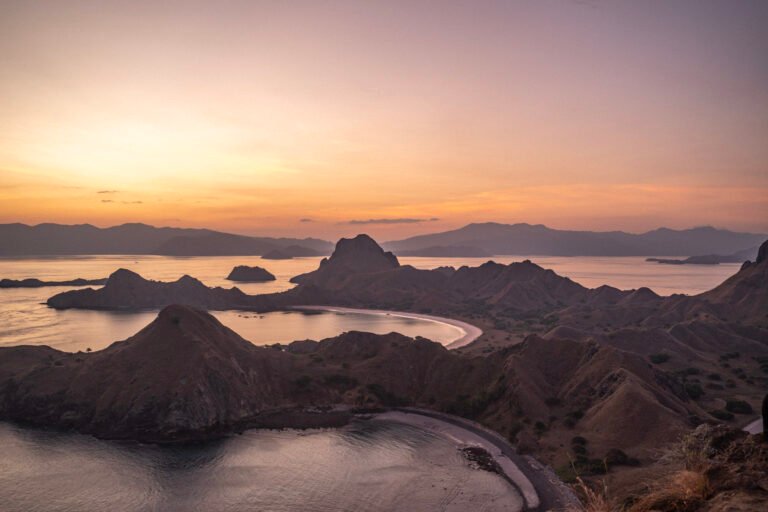
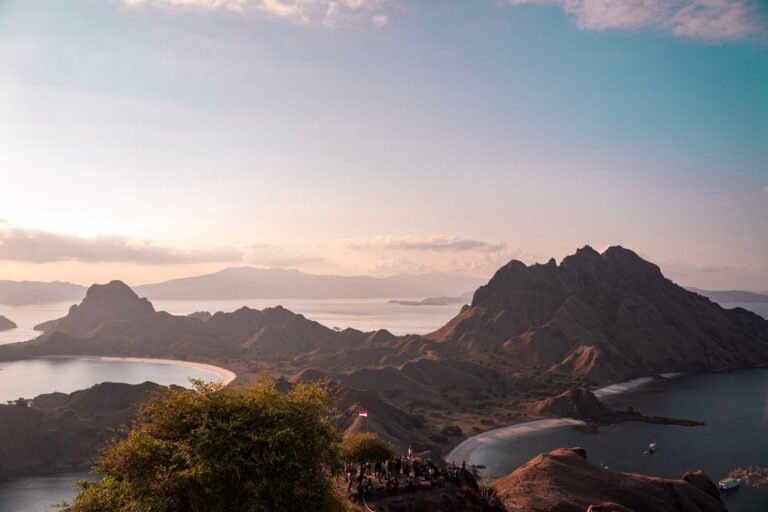
Padar Island is among the most recognizable destinations within Komodo National Park. Its rugged hills rise above several curved bays, creating a dramatic landscape that has become a favorite subject for travel photography. The hiking route leads visitors toward an elevated viewpoint overlooking the surrounding coastline. From the summit, travelers can admire the contrast between dry hills, sandy beaches, and shades of blue across the sea.
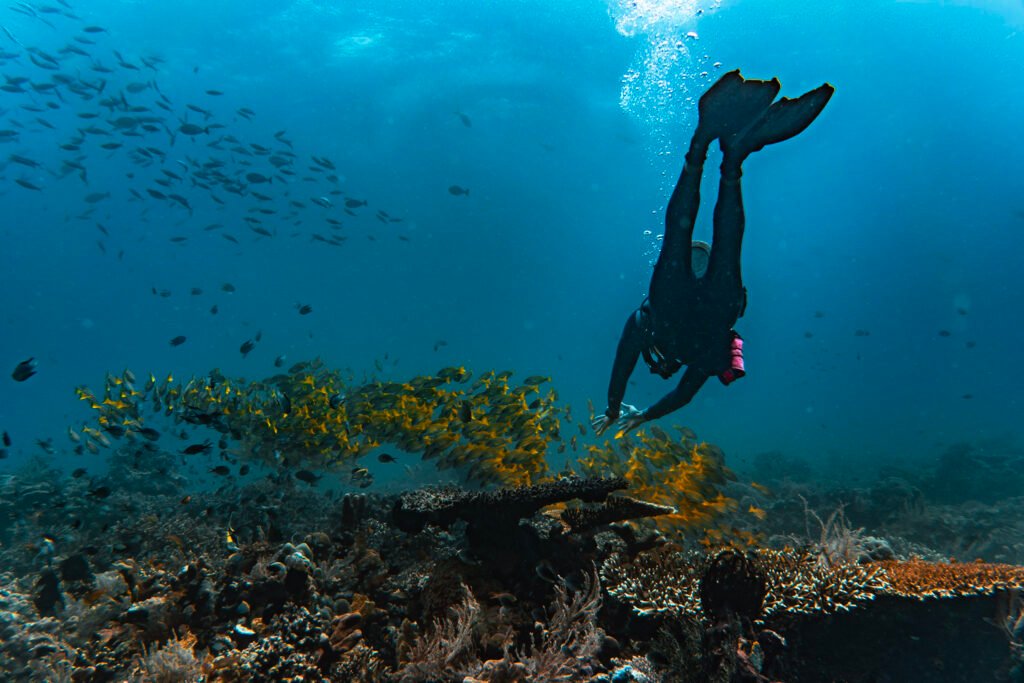
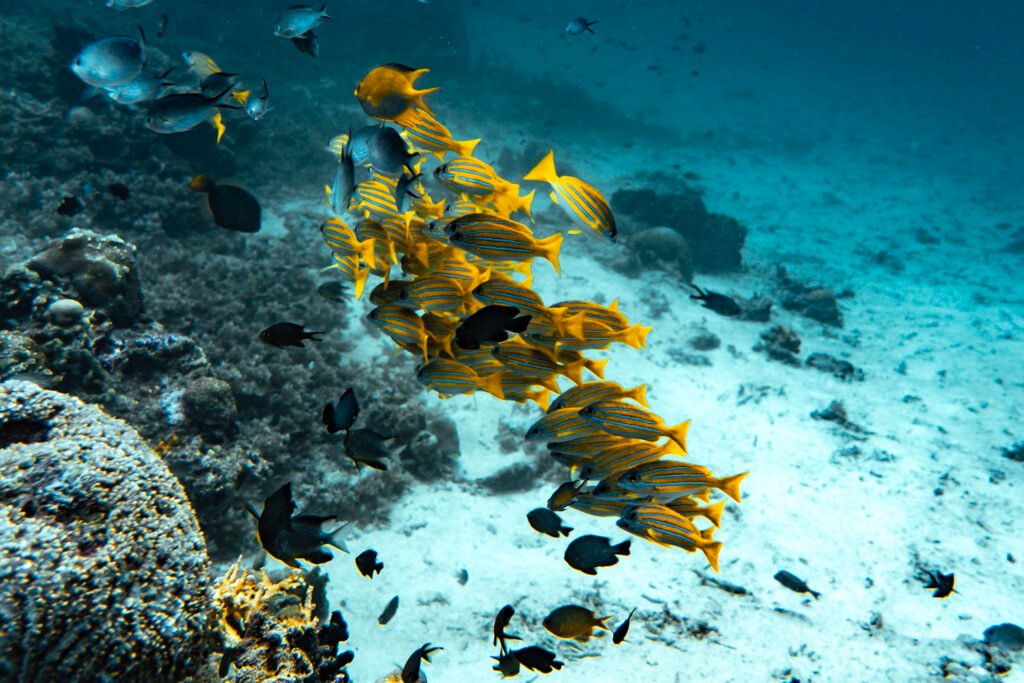
The scenery changes throughout the year as vegetation responds to seasonal rainfall. During greener periods, the hills may appear more vibrant, while the dry season often creates the golden and brown tones associated with the island’s classic landscape. Visitors should prepare for steep sections, warm weather, and direct sunlight. Comfortable footwear, sufficient drinking water, and attention to local guidance can make the hike safer and more enjoyable. Located within the Labuan Bajo marine area, this dive site is well regarded for its clear visibility, healthy coral coverage, and consistent marine activity. Based on regular sailing operations and collaboration with local dive professionals, the surrounding waters offer reliable conditions, particularly during the dry season. Divers commonly encounter reef fish, sea turtles, and seasonal manta rays, with occasional sightings of reef sharks along deeper coral slopes.
The underwater landscape ranges from coral gardens to wall formations, making it suitable for both beginner and experienced divers. As part of the broader Komodo marine ecosystem, the area holds significant ecological value. Certified local operators prioritize safety briefings, guided dives, and proper equipment standards, ensuring both responsible diving practices and a high-quality underwater experience. More than just a scenic dive stop, this location reflects the rich marine biodiversity that defines the Labuan Bajo waters vibrant, diverse, and worthy of careful preservation.
Pink Beach: A Rare and Beautiful Coastal Landscape
Pink Beach is another well-known attraction within Komodo National Park. Its distinctive appearance comes from a mixture of pale sand and reddish material associated with microscopic marine organisms, giving portions of the shoreline a pinkish color. The contrast between the beach and the clear surrounding water creates a memorable coastal landscape. Depending on local conditions and permitted activities, visitors may enjoy the beach, take photographs, or explore nearby marine environments.
Pink Beach is particularly appealing to travelers who want to experience the quieter side of island tourism. However, preserving its appearance requires care. Visitors should avoid removing natural materials, leaving rubbish, or damaging marine life. Respecting the beach and its surrounding ecosystem helps maintain the qualities that make this location special.


Marine Life, Snorkeling, and Diving
The waters around Komodo National Park support diverse marine ecosystems, including coral reefs, tropical fish, and numerous other marine organisms. These underwater environments make the region an important destination for snorkeling and scuba diving. Depending on the location, weather, and sea conditions, visitors may also have opportunities to encounter larger marine animals, including manta rays. Marine activities should always be planned with qualified operators who understand local conditions. Currents can be strong in some areas, so choosing an appropriate site and following safety instructions are essential. Travelers should also avoid touching coral, chasing marine animals, or standing on reefs. Even small disturbances can damage fragile ecosystems that take a long time to recover.
Island Hopping and Sailing Adventures
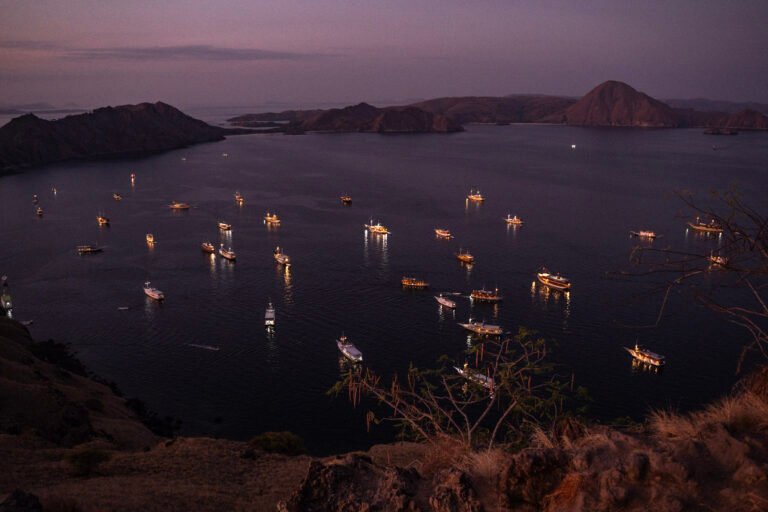
Exploring the islands by boat is one of the most distinctive ways to experience Komodo National Park. Sailing trips connect several destinations, allowing visitors to appreciate the changing scenery across the region. Depending on the itinerary, a journey may include scenic viewpoints, beaches, wildlife observation areas, and selected snorkeling locations. Some trips are completed in a single day, while others involve spending a night aboard a traditional-style phinisi vessel. The journey itself is part of the attraction. Travelers can watch the islands emerge along the horizon, enjoy views of the coastline, and experience the region from the water. Before booking a trip, visitors should check the itinerary, safety equipment, operator credentials, and any additional charges. Routes may change according to weather, sea conditions, conservation rules, and operational requirements.
Labuan Bajo: The Gateway to Komodo National Park
Labuan Bajo, located on Flores Island, serves as a major starting point for travelers visiting Komodo National Park. The town has developed into an important tourism center, providing access to boat trips, accommodation, restaurants, transportation, and local travel services. Many visitors arrive in Labuan Bajo before continuing their journey by boat to the surrounding islands. The town offers a range of travel options, from short excursions to multi-day sailing experiences. Tourism also creates opportunities for local businesses. Boat crews, guides, drivers, restaurant owners, accommodation providers, and other service operators can benefit from visitor spending.
At the same time, tourism development needs to be managed carefully. Waste disposal, water availability, transport, infrastructure, and environmental protection are important considerations as visitor demand increases. A strong tourism sector should create economic opportunities without placing unnecessary pressure on the natural resources and communities that make the region worth visiting.


What the Increase in Visitor Numbers Means for Tourism
The reported increase from 339,938 visits in January–September 2025 to 379,554 visits during the same period in 2026 indicates continued interest in Komodo National Park. This growth can create several opportunities for the region.
Greater International Visibility
More visitors can strengthen the destination’s reputation and introduce its natural attractions to new audiences. Komodo National Park’s distinctive wildlife and landscapes help differentiate it from other island destinations.
More Opportunities for Local Businesses
Visitor spending can support accommodation, restaurants, transportation, boat operators, guides, and other tourism-related businesses. The extent of the benefits depends on how effectively opportunities are shared across the local economy.
Greater Responsibility for Conservation
More visitors also mean a greater need for careful planning, monitoring, and enforcement of conservation rules. Managing tourism responsibly is essential to prevent avoidable damage to wildlife habitats, coastal environments, and marine ecosystems.
Growth therefore needs to be accompanied by investment in sustainable operations, visitor education, and protection of the park’s natural resources.
Sustainable Tourism and Conservation Challenges
Komodo National Park‘s natural beauty is the foundation of its tourism appeal, but that same popularity creates challenges that require ongoing attention. Poorly managed visitor activity can contribute to litter, disturbance to wildlife, pressure on popular trails, and damage to sensitive marine habitats. Boat operations and coastal activities also need to be managed with care to reduce their environmental impact.
Visitor management is therefore an important part of protecting the park. Measures may include designated routes, booking requirements, limits on visitor numbers, ranger supervision, and restrictions on activities in sensitive areas.
In April 2026, Indonesian forestry authorities announced visitor restrictions intended to support ecological sustainability in Komodo National Park. The policy covered key destinations including Komodo Island, Rinca Island, and Padar Island, as well as surrounding diving areas. Visitors should verify the current rules with official park authorities before traveling, because operational details can change.
Sustainable tourism also involves local participation. Conservation efforts are more effective when communities have opportunities to benefit from tourism and take part in protecting the natural environment. The long-term goal is to maintain a balance between visitor experiences, economic development, and the protection of wildlife and ecosystems.
Plan Your Itinerary in Advance
Decide which islands and activities you want to experience. Check travel times between destinations and confirm which locations are included in your chosen tour.
Check Visitor Rules and Reservations
Review current entry requirements, visitor quotas, reservation procedures, and applicable fees through official channels before departure.
Follow Ranger Instructions
Always follow authorized personnel when observing Komodo dragons. Maintain a safe distance and never feed, touch, or attempt to interact with wild animals.
Prepare for the Weather
Bring drinking water, sun protection, comfortable footwear, and suitable clothing. Hiking and outdoor activities can be demanding in hot conditions.
Choose Responsible Tour Operators
Look for operators that prioritize passenger safety, explain their itineraries clearly, and follow conservation rules. Check that appropriate safety equipment is available for boat trips and marine activities.
Protect the Marine Environment
Avoid touching coral, disturbing marine animals, or leaving waste behind. Follow snorkeling and diving guidance to reduce damage to underwater ecosystems.
Respect Local Communities
Treat residents, local customs, and community spaces with respect. Where possible, consider using local services and purchasing products from responsible local businesses.
The Future of Komodo National Park Tourism
Komodo National Park has the potential to remain one of Indonesia’s leading nature-based tourism destinations. Its wildlife, distinctive landscapes, beaches, and marine ecosystems create opportunities for visitors seeking meaningful outdoor experiences. However, its long-term success will depend on more than continued visitor growth. Conservation, responsible tourism management, community participation, and reliable visitor services will all play important roles.
Travel businesses can contribute by providing accurate information, promoting responsible wildlife encounters, reducing waste, and helping travelers understand the importance of protecting the environment. Visitors also have a role to play. Following local rules, respecting wildlife, and choosing responsible activities can help reduce the environmental impact of tourism. When tourism is managed with care, it can support local livelihoods while helping preserve the natural heritage that makes Komodo National Park internationally recognized.
Conclusion
Komodo National Park continues to attract travelers with its extraordinary landscapes, distinctive wildlife, and rich marine environments. The reported 379,554 visits recorded between January and September 2026, compared with 339,938 during the same period in 2025, reflect continued growth in visitor interest.
From the panoramic hills of Padar Island to the famous Komodo dragons, Pink Beach, and the underwater world surrounding the islands, the region offers a wide range of experiences for nature lovers and adventure travelers. At the same time, increasing tourism makes responsible management more important than ever. Protecting wildlife, preserving marine habitats, supporting local communities, and maintaining safe visitor experiences are essential to the future of the destination. Ultimately, the value of Komodo National Park lies not only in the number of people who visit, but also in the ability to preserve its natural beauty for generations to come.
Plan Your Adventure with Komodo Tour Indonesia
Ready to explore one of Indonesia’s most remarkable island destinations? Discover the breathtaking views of Padar Island, observe Komodo dragons with authorized local guides, relax along beautiful beaches, and experience the spectacular marine life surrounding Komodo National Park. With Komodo Tour Indonesia, you can start planning your island adventure and explore the possibilities of a memorable Komodo Island Tour. Whether you are interested in island hopping, scenic boat trips, snorkeling, or exploring the region’s famous natural attractions, choose an experience that matches your travel plans.
Start planning your journey to Labuan Bajo and discover the extraordinary beauty of Komodo National Park. Travel responsibly, respect nature, and make every moment of your Indonesian island adventure count.
Related Komodo Tour Packages
One Day Komodo Tour by Speed Boat
Short on time? Explore Komodo Island, Padar Island, Pink Beach, and snorkeling spots in just one day with our fast and comfortable speedboat tour from Labuan Bajo.
3 Days 2 Nights Komodo Island Tour
Enjoy a complete Komodo liveaboard experience with overnight sailing, sunrise trekking at Padar Island, Komodo dragon trekking, snorkeling, and island hopping adventure.
 English (UK)
 Bahasa Indonesia
 Français
 简体中文
 English
 Bahasa Indonesia
 Français
 简体中文