New Komodo Entry Rules Apply April 2026: Only 1,000 Visitors Per Day

Komodo National Park Loh Liang

Komodo National Park stands as a globally significant conservation area. Its arresting savannah landscapes, challenging trekking routes, and vibrant marine ecosystems continue to draw travellers from across the world. However, with rising popularity comes the pressing need for environmental stewardship. In response, the Komodo National Park Authority (BTNK) has introduced a more structured framework for managing visitor flow, a framework designed to safeguard the park’s integrity for years to come.

Starting in April 2026, the park will enforce a daily visitor limit of 1,000 people. This measure will be piloted from January through March 2026 before its official rollout in April. Hendrikus Rani Siga, Head of the BTNK, confirmed the timeline in a statement on Monday, 16 February 2026, noting that the trial phase will inform the formal implementation.

For those planning to experience Komodo with Komodo Tour Indonesia, understanding these new protocols is essential. They will directly influence scheduling, entry windows, and access to signature sites such as Padar Island and premier snorkelling and diving locations.

The Rationale Behind Visitor Limits at Komodo

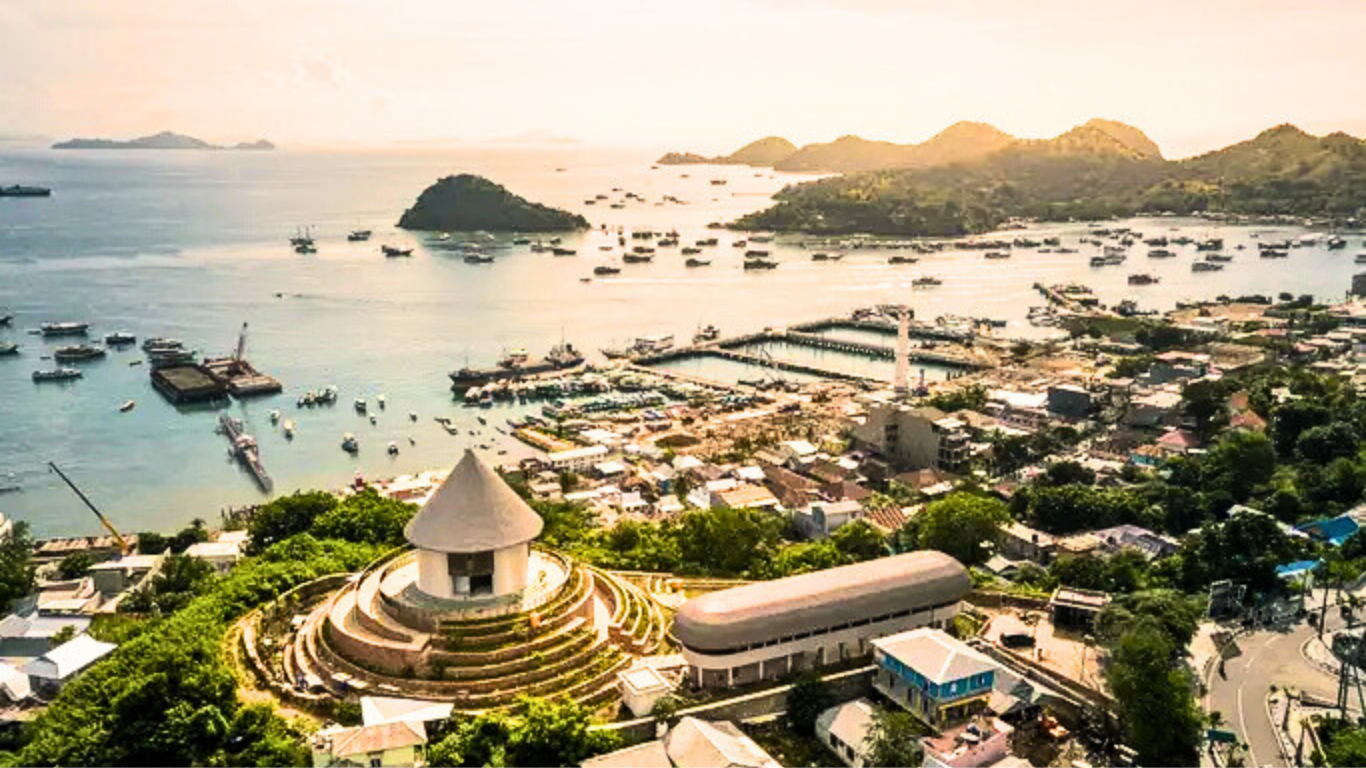
The allure of Labuan Bajo and Komodo National Park has grown exponentially. Activities like trekking Padar Island, exploring Loh Liang or Loh Buaya, and diving in rich marine habitats are now staple experiences for travellers.

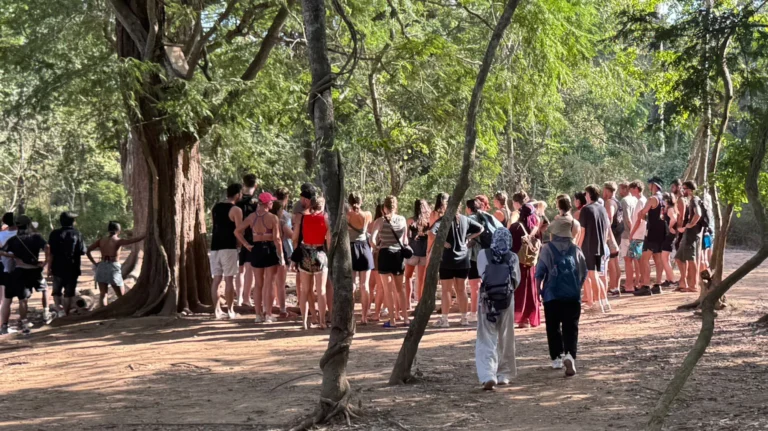
In 2024 alone, the BTNK recorded over 300,000 visits. While this enthusiasm is encouraging, it also presents tangible risks. Overused trekking paths are prone to erosion, and intensive marine activity places additional stress on underwater ecosystems. At the same time, overcrowding diminishes the quality of the visitor experience, particularly at peak times when popular sites become congested.

These limits reflect a deliberate effort to reconcile two equally important priorities: delivering a safe and rewarding visitor experience while ensuring the long-term protection of the park’s natural assets.

at komodo national park
Over crowded at komodo
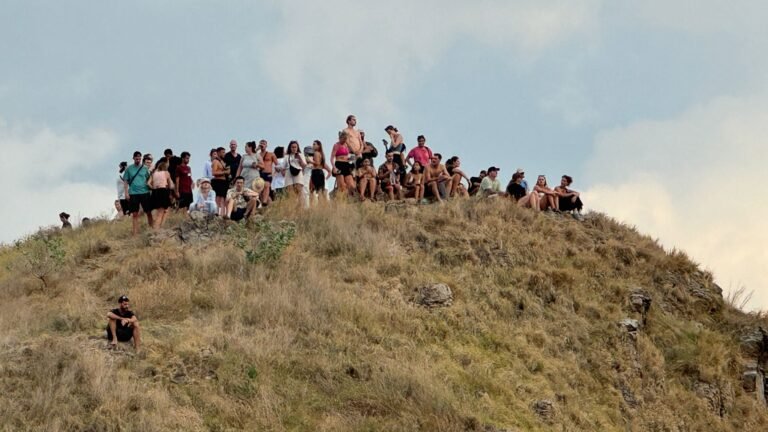
Crowded Padar
People waiting for a photo session at Padar Island.

Key Regulatory Changes at a Glance

1. Daily Cap of 1,000 Visitors with Timed Entry via SiOra

The daily quota will be managed through the SiOra application and distributed across three designated entry sessions. Each session is designed to accommodate approximately 300 to 330 visitors, thereby preventing bottlenecks and easing pressure on key locations.

Entry sessions are structured as follows:

  • Session I: 05:00 to 08:00 WITA

  • Session II: 08:00 to 11:00 WITA

  • Session III: 15:00 to 18:00 WITA

This phased approach allows travellers to plan more precisely, whether opting for the soft morning light of an early session or the calmer conditions of a late-afternoon visit.

2. Specific Limits at Key Terrestrial Sites

In addition to the overall daily quota, individual caps have been set for certain land-based locations to avoid concentrated foot traffic:

  • Loh Liang: 250 visitors per day

  • Loh Buaya: 150 visitors per day

  • Padar Island: 60 visitors per day

These numbers reflect the varying carrying capacities of each site. Padar Island, for instance, features narrow trekking paths and limited viewing areas, which necessitate a stricter quota.

3. Vessel Limitations at Marine Sites

To maintain safety and reduce pressure on sensitive marine habitats, the number of vessels allowed per day at popular dive and snorkel locations has been capped:

  • Karang Makassar: up to 32 boats

  • Batu Bolong: up to 8 boats

  • Siaba Besar: up to 20 boats

  • Pulau Mawan: up to 20 boats

These limits help regulate congestion, improve underwater experiences, and minimise ecological disturbance.

4. The 20-Minute Rule at Batu Bolong

At the renowned dive site Batu Bolong, a 20-minute time limit now applies per group. This measure is intended to protect the fragile reef ecosystem while preserving the site’s quality for all divers.

Policy Foundation: Carrying Capacity Assessment

According to the BTNK, these visitor and vessel limits are grounded in a comprehensive carrying capacity study conducted in 2018. In essence, carrying capacity defines the threshold of human activity an environment can sustain without suffering degradation.

For travellers, this context reinforces that the new rules are not bureaucratic hurdles but essential steps toward ensuring that trekking routes remain intact, savannahs stay pristine, and coral reefs continue to thrive.


Implications for Open Trip and Private Trip Itineraries

In practice, these changes will require more disciplined itinerary planning. Several immediate impacts include:

  • Stricter adherence to schedules. Entry into certain sites, especially quota-controlled areas like Padar Island, must align with pre-selected sessions.

  • Adjusted tour routes. Operators may need to modify snorkelling and diving sequences based on vessel slot availability.

  • Greater risk for last-minute bookings. During peak periods, sessions may fill up quickly, making early planning indispensable.

It is worth noting that the introduction of quotas has drawn mixed reactions. While many applaud the focus on sustainability, some within the tourism industry emphasise the need for a smooth transition. For visitors, the priority should be understanding the rules and planning accordingly to ensure a seamless journey.

How to Reserve Your Visit Using the SiOra Application

All park entries must be booked online via the Komodo Reservation feature in the SiOra app. If you book your trip with Komodo Tour Indonesia, our team will gladly assist you with the entire registration process. However, we believe it is still valuable for you to understand the steps involved. To avoid disappointment, it is advisable to complete reservations well in advance, ideally no later than one day prior, as daily quotas can fill quickly. On the day of your visit, verification will take place at the park entrance. Be sure to keep your booking confirmation readily accessible, whether as a printed copy, QR code, or digital file.

Reservation steps through SiOra:

  • Open the SiOra app and select the Komodo Reservation menu

  • Choose your intended visit date

  • Check quota availability for that date

  • Enter the number of visitors

  • Activate the Visit Padar Selatan option if you plan to explore that area

  • Select Padar Selatan as your destination

  • Choose your preferred entry session based on availability

  • Add any additional activity tickets as needed

  • Complete visitor details: ID number, full name, country of origin, phone number, and city of residence

On the day of your visit, verification will take place at the park entrance. Be sure to keep your booking confirmation readily accessible, whether as a printed copy, QR code, or digital file.

Often Overlooked Essentials: Documents, Connectivity, and Cashless Payment

To ensure a smooth reservation and entry process, prepare the following in advance:

  • Valid identification documents matching the details provided in your booking

  • An active email address and phone number for reservation updates

  • Reliable internet access when booking, especially if done while travelling

  • Access to cashless payment methods, which are integral to the digital system

SiOra functions not merely as a ticketing platform but as a central tool for managing and monitoring park access in a structured way.

How the New Rules Benefit Travellers

Though they may appear restrictive, these visitor limits are likely to enhance the overall quality of the experience:

  • Less crowded sites mean more space and comfort

  • Scheduled entry reduces waiting times and streamlines movement

  • A more exclusive atmosphere, especially for those seeking a quieter visit

  • Stronger conservation outcomes, ensuring the park’s beauty endures for future generations

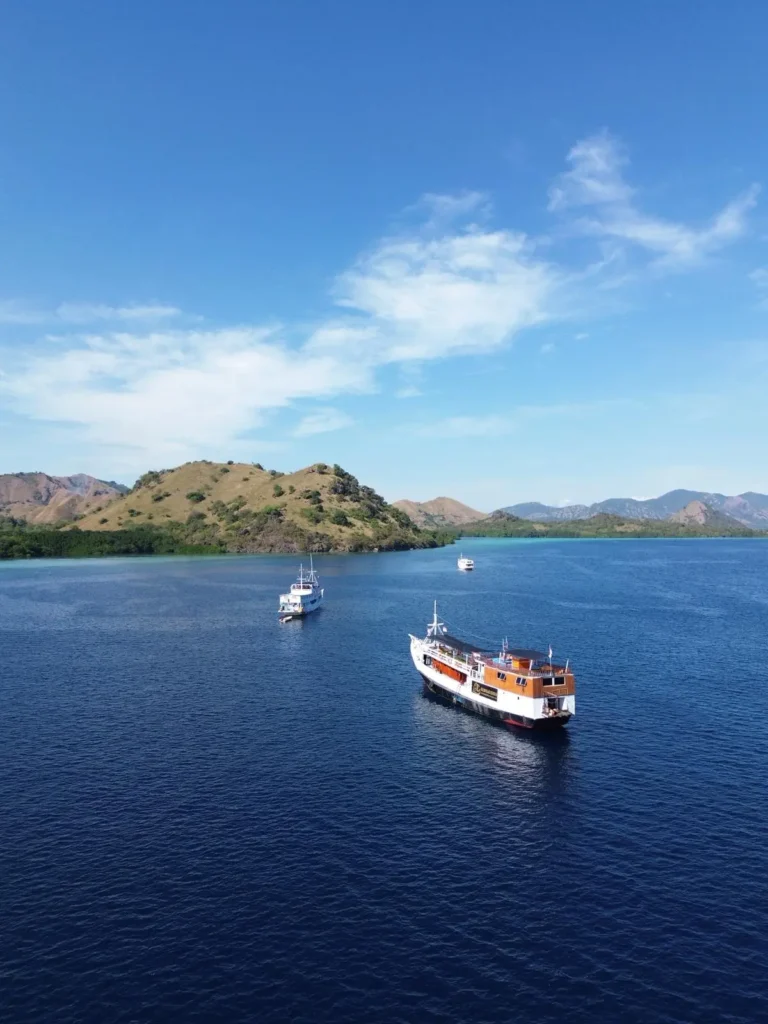
Komodo National Park View

Practical Tips for Visiting Komodo Under the New Quota System

To make the most of your trip while staying compliant with the updated regulations, consider the following:

  • Plan early and consider backup dates. If your preferred session is full, having flexibility with dates or time slots can be a lifesaver.

  • Choose a tour operator familiar with the new system. Experienced operators will adapt more efficiently to quota constraints and revised itineraries.

  • Follow ranger and guide instructions. This includes maintaining a safe distance from komodo dragons, refraining from feeding wildlife, and exercising caution on trails.

  • Support park cleanliness. Bring a reusable water bottle, minimise single-use plastics, and take all personal waste with you.

  • For divers, respect the 20-minute limit at Batu Bolong. This rule is in place to protect the reef and maintain the site’s quality for everyone.

Conclusion

Beginning April 2026, Komodo National Park will usher in a new era of managed tourism with a daily cap of 1,000 visitors, three timed entry sessions via SiOra, site-specific quotas for locations like Loh Liang, Loh Buaya, and Padar Island, and vessel limits at marine zones, including the 20-minute rule for divers at Batu Bolong. These changes are designed to protect the park’s fragile ecosystem while enhancing the quality of every visitor’s experience.

However, navigating these new regulations requires careful planning and attention to detail. From securing your reserved time slot to ensuring compliance with site-specific quotas, the process can be complex. This is why we strongly recommend booking your trip only with a licensed and trusted tour operator like Komodo Tour Indonesia. Our experienced team handles every aspect of your reservation, from SiOra registration to itinerary coordination, ensuring that your journey is seamless, stress-free, and fully compliant with all park regulations. Do not risk your long-awaited holiday by booking with unauthorized providers who may not understand or follow the new rules. Trust the professionals who know Komodo island tour best.

en_GBEnglish (UK)
Scroll to Top