Waktu Terbaik untuk Mengunjungi Taman Nasional Komodo: Panduan Lengkap Musim 2026
Introduction to Komodo National Park
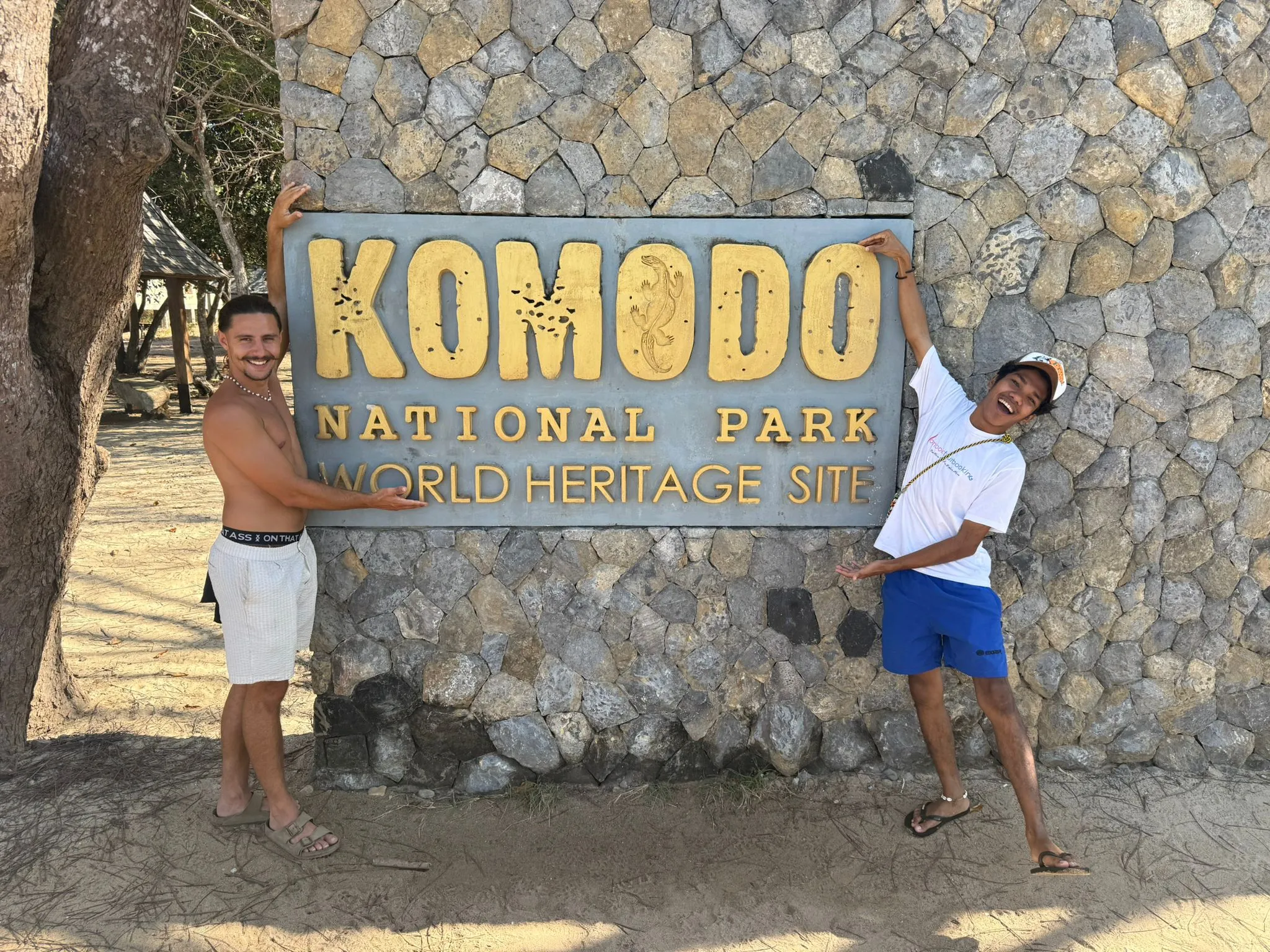
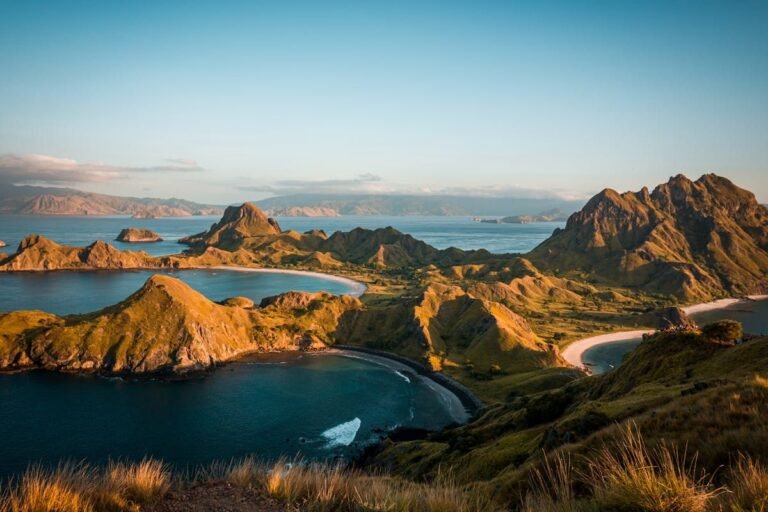
Taman Nasional Komodo in Indonesia is a UNESCO World Heritage Site known for its incredible wildlife and stunning landscapes. The park includes Komodo, Rinca, and several smaller islands, and is home to the famous Komodo Dragon along with many other unique species. From dry savannas and lush forests to some of the world’s most vibrant coral reefs, the park offers excellent opportunities for diving, snorkeling, and spotting manta rays, sharks, and turtles. If you want to experience it all, you can join a guided Padar hiking tour, book a Komodo diving adventure, or explore all our packages here. With scenic trails, hidden beaches, and breathtaking viewpoints, Komodo National Park is perfect for adventurers, wildlife enthusiasts, and anyone seeking an unforgettable trip. Knowing the best time to visit will help you make the most of your 2026 adventure.
Understanding the Climate of Komodo National Park
Komodo National Park has a tropical climate with two main seasons: the dry season and the wet season. The dry season (April–December) brings sunny days, low humidity, and minimal rainfall ideal for trekking, diving, and wildlife watching. Clear skies also create excellent underwater visibility. The wet season (January–March) is marked by higher humidity and more frequent rain. Although temperatures stay fairly warm (28°C–32°C), rainfall can affect trail conditions and underwater visibility. However, the park becomes lush and green, and certain wildlife, like migratory birds, is more active. Understanding these seasonal changes helps you choose the ideal time for your preferred activities and ensures a smoother travel experience.
The Best Time for Wildlife Spotting
Wildlife viewing is one of Komodo’s major highlights, especially for spotting Komodo dragons. The dry season (April–December) offers the best conditions, with easy island access and good visibility. Komodo dragons are most active between May and September, which aligns with their mating season. During these months, they are more visible as they move around for courtship and feeding. July to September is often considered peak dragon-spotting season. The wet season (January–March) is less ideal for dragon sightings but excellent for birdwatching, as migratory species visit the park. Although rain can reduce dragon activity, the overall ecosystem is lively and colorful. To maximize wildlife encounters, visit during the dry season and consider the wet months if you’re focused on birdlife.
Optimal Months for Diving and Snorkeling
Komodo is a world-class diving and snorkeling destination. The best months for underwater activities are April to November, when seas are calmer and visibility is at its peak.
April: Start of dry season, visibility up to 30m, comfortable temperatures.
May–June: Great marine life activity mantas, turtles, and healthy coral reefs.
July–August: Peak diving season with exceptional visibility and mild currents.
September–November: Warm waters and generally calm seas, ideal for snorkelers. By early December visibility may decrease slightly as the wet season approaches, but diving is still possible in sheltered spots.
Hiking and Trekking Season Insights
For hiking and trekking, the dry season (April–December) is the best time to visit. Trails are dry, humidity is lower, and the landscapes are clearer and more accessible. May to September provides the most comfortable temperatures (25°C–30°C) and scenic views. April and October are good shoulder-season options, offering fewer crowds and vibrant scenery during seasonal transitions, though occasional rain may make some trails slippery. Encountering Komodo dragons, birds, and unique vegetation adds to the trekking experience, so proper preparation and hydration are essential.
Cultural Events and Local Festivals
Komodo National Park is also rich in cultural heritage, with several local festivals offering insight into community traditions.
Komodo Festival (September): Celebrates local culture and promotes conservation efforts through traditional dance, music, and art.
Fishing Festival (early July): Showcases traditional fishing skills, competitions, and fresh seafood while highlighting sustainable fishing practices. Attending these events enhances the travel experience and supports local communities.
Packing Essentials for Your Komodo Adventure
Smart packing ensures a comfortable visit. During the dry season, bring lightweight, breathable clothing, sun protection (hat, sunscreen, sunglasses), and sturdy shoes for trekking. Evenings can be cooler in the wet season, so pack a light jacket. For marine activities, bring a swimsuit, wetsuit (if visiting during cooler months), water shoes, and a dry bag for valuables. Essentials include insect repellent, a basic first-aid kit, a reusable water bottle, and binoculars for wildlife viewing.





 Bahasa Indonesia
  English (UK)
  Français
  简体中文
简体中文