
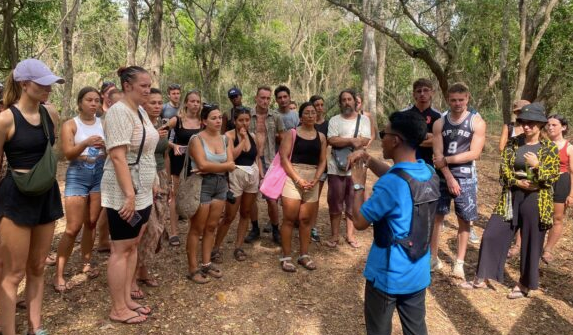
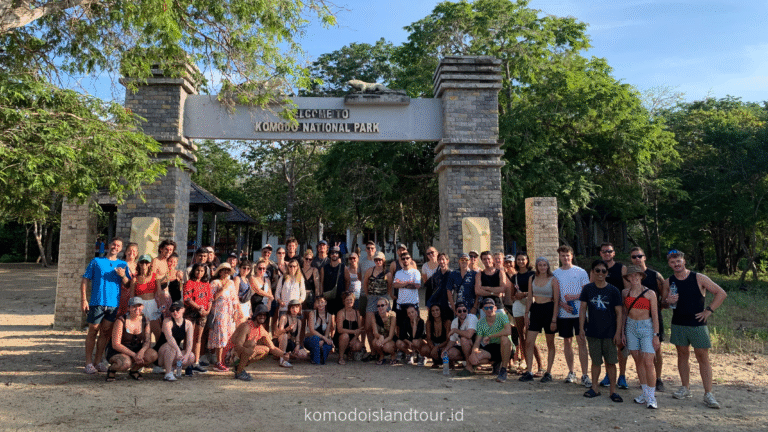
Within Komodo National Park, both Komodo Island and Rinca Island offer the rare opportunity to see Komodo dragons in their natural habitat, each with a slightly different experience. Komodo Island is larger and more developed, featuring structured trekking trails, ranger supervision, and diverse landscapes of savannah, forest, and hills. Dragon sightings are common, especially in the early morning and late afternoon. The island also offers access to iconic spots like Pink Beach, along with rich wildlife and marine life. Rinca Island provides a quieter and less crowded atmosphere. Smaller and more natural in feel, it delivers similar dragon encounters in a more compact and intimate setting. With fewer visitors and minimal infrastructure, it appeals to travelers seeking a more peaceful wildlife experience. Both islands operate under strict conservation regulations with mandatory ranger guidance, ensuring safety and long-term ecosystem protection. The choice ultimately depends on whether you prefer a more developed environment or a more secluded adventure.
Epic Labuan Bajo Adventures: Encounter Komodo Dragons, Pink Beaches, and Unforgettable Wonders
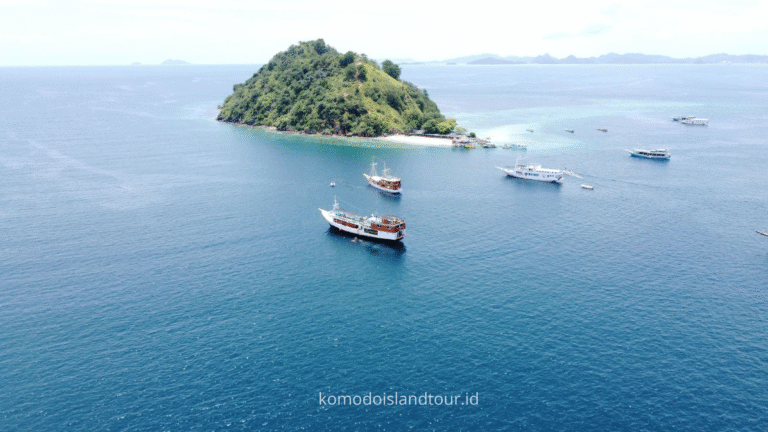
Introduction to Kanawa Island
拉布安巴焦, a coastal town located on the western tip of Flores Island, Indonesia, has become one of Southeast Asia’s most captivating destinations. As the main gateway to Komodo National Park, it offers spectacular landscapes, rare wildlife encounters, and access to some of the region’s most iconic natural wonders. From the legendary Komodo dragons to the world-famous Pink Beach, Labuan Bajo is a destination where dramatic scenery meets rich biodiversity. Surrounded by islands such as Padar, Rinca, and Kanawa, the area provides diverse experiences, from sunrise trekking to snorkeling in crystal-clear waters filled with vibrant coral reefs. Its unique combination of land and marine ecosystems makes it an ideal starting point for exploring the national park through a Komodo Tour, where visitors can experience both wildlife and seascapes in a single journey. Beyond adventure, Labuan Bajo also offers cultural depth and authentic local charm, making every visit more than just a sightseeing trip.
The Gateway to Komodo National Park
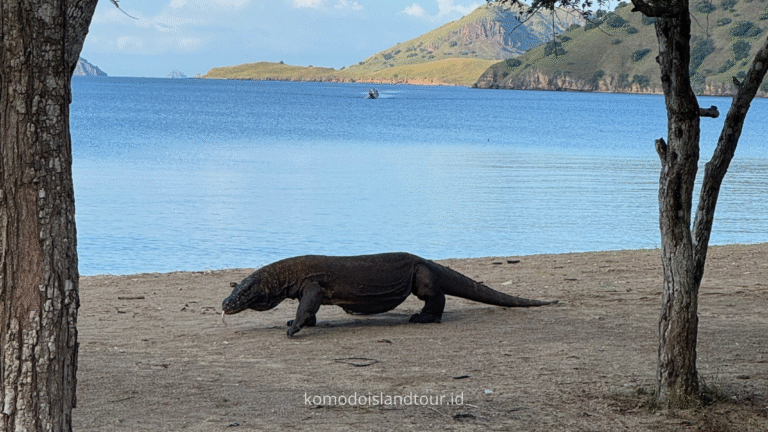
Labuan Bajo serves as the primary entry point to the Komodo National Park, which encompasses three main islands: Komodo, Rinca, and Padar, along with numerous smaller ones. Established in 1980 and designated as a UNESCO World Heritage Site in 1991, this park is famed for its conservation of the endangered Komodo dragon (Varanus komodoensis), the largest living species of lizard in the world.
The Komodo Dragon: Living Dinosaur of the Modern Era
科莫多巨蜥 (Varanus komodoensis) are the largest living lizards, growing up to 3 meters (10 feet) long and weighing around 70 kilograms (154 pounds). These prehistoric reptiles are apex predators, playing a crucial role in controlling populations of animals like deer, wild boar, and smaller reptiles. Their powerful venomous bite immobilizes prey, making it easier for them to hunt and scavenge. Komodo dragons are solitary and territorial, using their keen sense of smell to detect prey from miles away. Despite their intimidating size, Komodo dragons are skilled swimmers and can traverse between islands in search of food or territory. They are also capable climbers in their younger stages to avoid larger predators. These incredible creatures are not only a symbol of nature’s resilience but also vital to maintaining balance within their ecosystem. Visitors to Komodo and Rinca Islands have the unique opportunity to observe Komodo dragons in their natural habitat, guided by park rangers who provide safety and valuable insights into their behavior and conservation efforts. With populations dwindling due to habitat loss and climate change, the Komodo dragon is classified as a vulnerable species, making conservation efforts critical. These efforts focus on habitat protection, sustainable tourism, and breeding programs to ensure the survival of this ancient reptile for generations to come.
Exploring Komodo and Rinca Islands

The Pink Beaches: Nature’s Rare Masterpiece
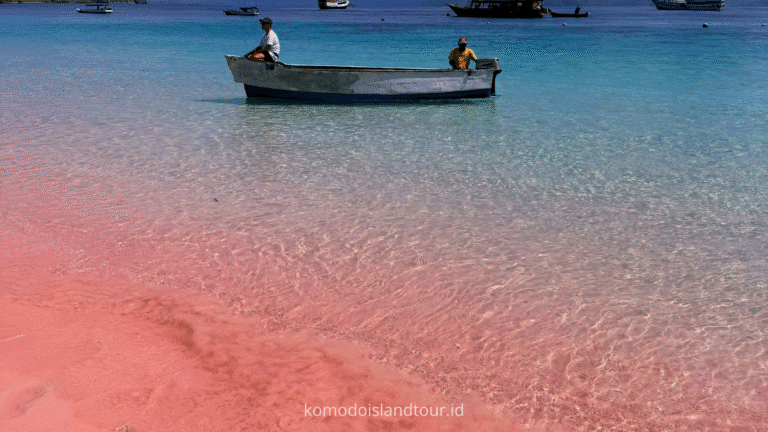
One of Labuan Bajo Adventures, breathtaking natural wonders is the rare and stunning pink beaches that are scattered throughout Komodo National Park. These unique beaches, particularly Pink Beach on Komodo Island, are famous for their striking blush-colored sand, making them one of the few such beaches found worldwide. The pink hue is caused by the mix of red coral fragments and white sand, creating a visually captivating sight. Pink Beach, in particular, is known for its tranquil beauty and is a must-see for visitors, offering not only a stunning landscape but also crystal-clear waters perfect for swimming and snorkeling.
What Makes Pink Beaches Pink?
The pink hue of the sand is created by tiny fragments of red coral that have broken down over time and mixed with the white sand. These coral fragments, carried by ocean currents, combine with the natural sands, producing a unique color. When sunlight hits the beach, this delicate coral dust reflects the light, giving the sand a soft, blush-pink appearance. This stunning contrast between the pink sand and the clear turquoise waters of the sea creates a picturesque and serene landscape, making the beach a mesmerizing destination for visitors.
Activities at Pink Beach
Pink Beach is not only visually spectacular but also a prime destination for a variety of activities, including swimming, sunbathing, and snorkeling. The beach’s crystal-clear waters and the shallow coral reefs just offshore offer an underwater paradise for snorkelers. Here, you can explore vibrant coral gardens, swim alongside schools of tropical fish, spot sea turtles, and, on occasion, encounter reef sharks. The calm waters make it an ideal location for beginners, families, and those new to water activities, providing a safe and enjoyable experience.
Photographers are drawn to Pink Beach for its incredible scenery, especially during sunrise and sunset when the colors of the beach intensify. The golden and pink hues of the sand, combined with the shifting light, create dramatic effects, making it a perfect spot for capturing stunning landscape shots and memorable moments in nature.

Island Hopping: Discovering Labuan Bajo’s Hidden Gems
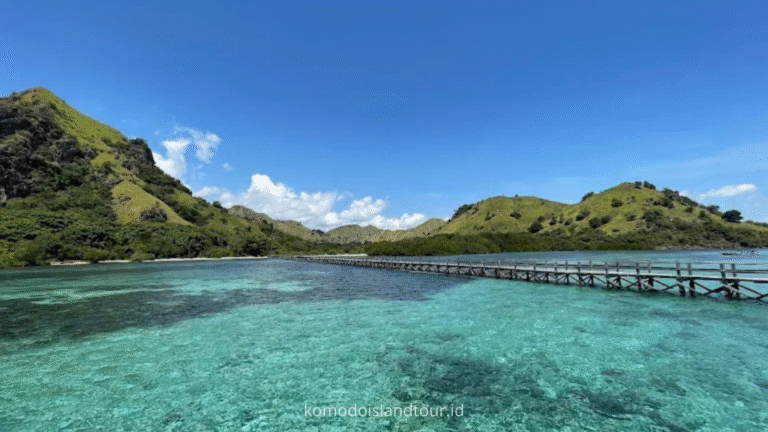
Labuan Bajo Adventures, allure is greatly enhanced by the vast archipelago that surrounds it, offering a wealth of natural beauty and diverse ecosystems waiting to be explored. One of the best ways to fully immerse yourself in this stunning environment is by taking an island-hopping tour, which allows visitors to experience a wide range of landscapes—from rugged hills and untouched beaches to vibrant coral reefs and lush mangrove forests. These tours often range from one day to several days, providing ample time to discover the unique islands that make up the Komodo National Park and beyond. Many tours can be customized based on personal preferences, whether you’re looking for an adventurous trek, a relaxing day by the beach, or a chance to explore the rich marine life through snorkeling or diving. With so many islands to explore, each offering its own distinct charm, an island-hopping tour in Labuan Bajo promises an unforgettable adventure.
Padar Island: A Hiker’s Paradise
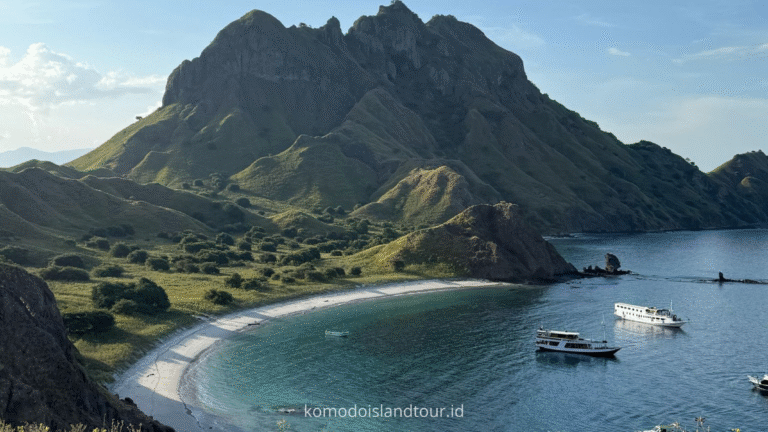
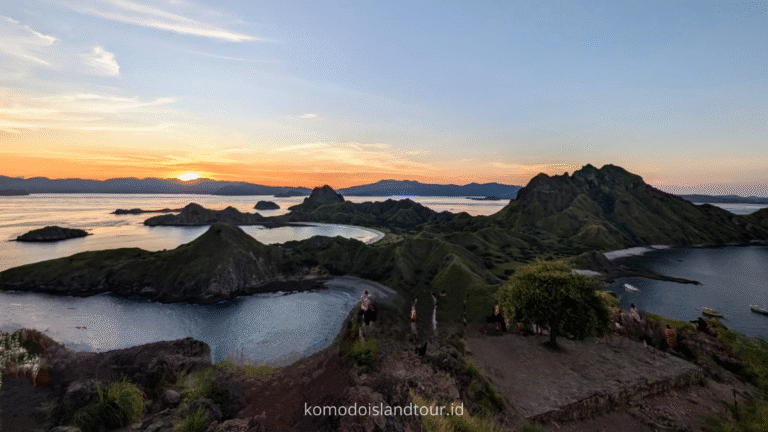
帕達爾島 is renowned for its dramatic topography and stunning panoramic views, making it one of the most visually striking destinations in the Komodo National Park. Unlike Komodo and Rinca Islands, Padar is not inhabited by Komodo dragons, which contributes to its quieter, more peaceful atmosphere—making it an ideal destination for hiking, photography, and those seeking a more serene experience in nature.
The island’s unique shape features three crescent-shaped beaches, each separated by steep, rocky hills, creating a rugged yet beautiful landscape. Hiking to the summit of Padar Island takes approximately 30 to 45 minutes, depending on your pace, but the effort is well worth it. The reward is a breathtaking 360-degree view of the turquoise bays, rolling hills, and the iconic pink-tinged sands of the beaches below. The contrasting colors of the land and sea, along with the sweeping views, make Padar an unforgettable destination for landscape photography and outdoor enthusiasts. To make the most of the experience, it’s best to start the hike early in the morning, as the cooler temperatures make the climb more comfortable, and the sunrise provides a magical, golden light that enhances the island’s natural beauty.
Manjarite Island: Snorkeling and Relaxation
邁諾里特島 is a small, peaceful island near Labuan Bajo, known for its white sand beaches and crystal-clear waters. It is a popular stop for snorkeling and diving, with vibrant coral reefs located just offshore. The surrounding waters are home to colorful tropical fish, sea turtles, and diverse marine life. With its calm atmosphere and minimal crowds, Manjarite is ideal for relaxation. Visitors can swim in warm waters, enjoy the beach, or take part in snorkeling sessions included in many island-hopping tours. Combining marine biodiversity with serene scenery, Manjarite Island offers a perfect balance of adventure and tranquility.
Kelor Island: Swim with Baby Sharks
基洛爾島 is a popular snorkeling and diving spot near Komodo Island, known for its clear waters and vibrant coral reefs. One of its unique highlights is the chance to swim alongside baby sharks in shallow areas, offering a memorable yet safe marine encounter. In addition to young sharks, the waters around Kelor are home to tropical fish, sea turtles, and diverse coral formations. The best visibility is typically during the dry season from April to December. As with all wildlife experiences, visitors are encouraged to keep a safe distance and move calmly to protect both themselves and the marine ecosystem. Kelor Island offers an exciting yet accessible underwater experience for both beginners and experienced snorkelers alike.
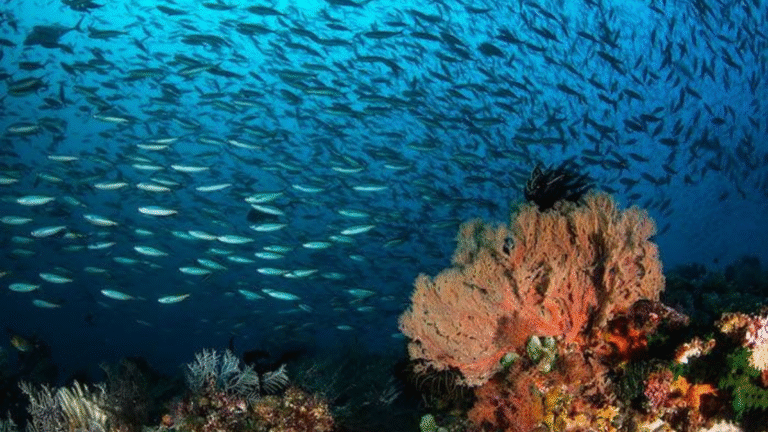
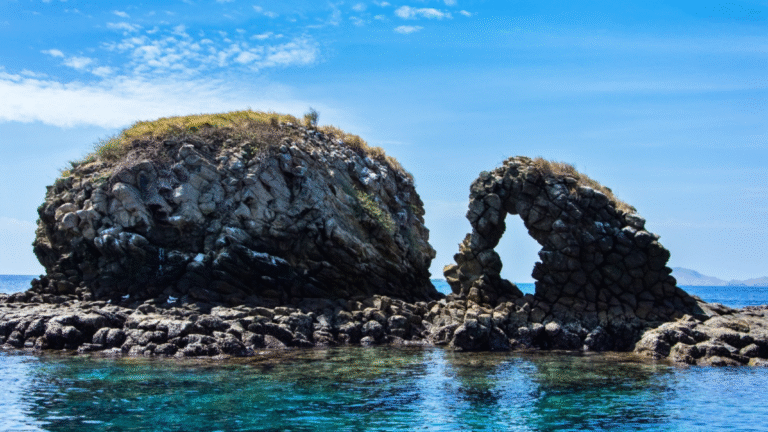
Labuan Bajo Adventures Diving and Snorkeling: Underwater Wonders
Labuan Bajo lies within the Coral Triangle, a region renowned for its exceptional marine biodiversity. The waters here are home to over 1,000 species of coral reef fish and hundreds of species of corals, making it one of the best destinations for underwater exploration. The crystal-clear waters boast vibrant coral gardens, thriving reefs, and abundant marine life, including sea turtles, manta rays, reef sharks, and colorful schools of fish.
For snorkelers, shallow reefs offer an accessible glimpse into the rich marine world, while divers can explore deeper, more dynamic sites such as Batu Bolong and Castle Rock, where strong currents bring encounters with pelagic species. Labuan Bajo caters to both beginners and experienced divers, with its variety of dive sites and pristine waters, making it an unforgettable destination for anyone looking to immerse themselves in the wonders of the ocean.
Popular Dive Sites
Batu Bolong: Batu Bolong is a pinnacle reef known for its breathtaking coral formations and rich marine life. The site is one of the most popular dive spots around Labuan Bajo, where divers can expect to encounter large schools of colorful fish, reef sharks, and, with a bit of luck, sea turtles. The vibrant coral gardens create a stunning backdrop, making it a must-see for underwater enthusiasts. The site’s dynamic underwater topography also offers divers a variety of fascinating dive experiences, from exploring its drop-offs to discovering hidden crevices teeming with marine creatures.
Castle Rock: Castle Rock is famous for its strong currents, making it an ideal dive site for experienced divers. The exhilarating drift dives here bring divers face-to-face with a wide range of pelagic species, including large schools of jacks, barracudas, and even manta rays, depending on the season. The currents that sweep through the site contribute to the abundance of marine life, as they bring in nutrient-rich waters that attract larger species, offering divers a thrilling and dynamic diving experience.
Siaba Kecil: Siaba Kecil is renowned for its large schools of fish and stunning soft corals, making it a paradise for underwater photographers and marine life enthusiasts. The site is relatively shallow, offering excellent visibility and calm conditions, making it an accessible and relaxing dive spot for all skill levels. The vibrant coral gardens, combined with the abundance of fish, provide a perfect setting for capturing the beauty of the underwater world. Siaba Kecil is also home to various reef species, adding to the diversity of marine life and making it an unforgettable diving destination.
Snorkeling Opportunities
Labuan Bajo offers excellent snorkeling sites with calm, clear waters and vibrant coral reefs that are easily accessible without advanced diving skills. Pink Beach is one of the most popular spots, known for its unique pink sand and shallow waters filled with colorful corals, tropical fish, and occasional sea turtles. Kanawa Island provides a peaceful setting with thriving reefs just offshore, where snorkelers can spot schools of fish, sea turtles, and sometimes reef sharks. Its calm conditions make it ideal for beginners and families. Sebayur Kecil Island is another standout location, featuring healthy coral formations and diverse marine life in shallow, easy to explore waters, perfect for both new and experienced snorkelers.
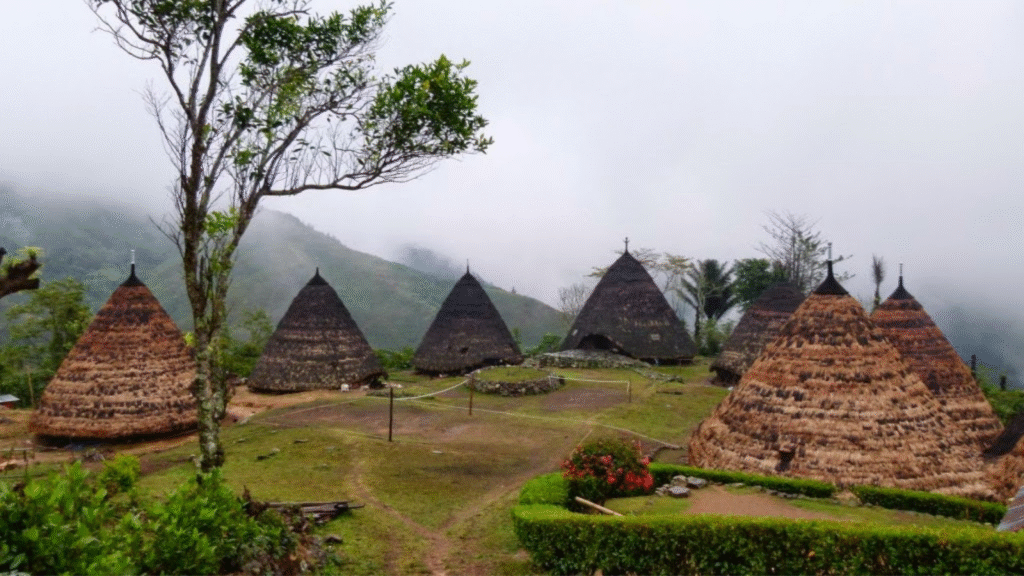

Labuan Bajo Adventures Cultural Exploration: Meet the People of Flores
Beyond its natural wonders, Labuan Bajo and Flores Island offer rich cultural experiences rooted in traditional customs, language, and crafts that have been passed down through generations. The local communities take great pride in their heritage, with practices such as weaving being a significant cultural expression. Handwoven textiles, like ikat fabrics, represent the island’s history and beliefs. Visitors can explore local markets, interact with artisans, and learn about the techniques used in crafting beautiful traditional goods, offering an immersive insight into the island’s vibrant culture.
Traditional Villages
Several traditional villages near Labuan Bajo provide insights into the indigenous lifestyle, weaving, and farming practices. For example:
Wae Rebo Village: Located in the mountains of Flores, this remote village is famous for its traditional cone-shaped houses known as “Mbaru Niang.” Visitors can hike to the village, interact with residents, and experience authentic Flores culture.
Bena Village: Known for megalithic tombs and ancient stone structures, Bena offers a glimpse into ancestral beliefs and rituals.
Local Festivals and Cuisine
Flores is known for its traditional ceremonies and festivals that reflect the island’s deep cultural and spiritual heritage. These events feature rituals, music, dance, and offerings that have been preserved across generations, offering visitors meaningful insight into local traditions closely tied to nature and history. Labuan Bajo’s culinary scene also highlights this diversity. Fresh seafood is abundant, often served with flavorful local spices and sambal. Popular dishes include grilled fish and nasi jagung, while traditional Flores coffee is well known for its rich and smooth taste. Together, culture and cuisine provide an authentic glimpse into life on the island.
Practical Travel Tips for Labuan Bajo Adventures
Best Time to Visit Labuan Bajo
The best time to visit Labuan Bajo is during the dry season, which runs from April to December. During this period, the weather is generally sunny and pleasant, making it perfect for outdoor activities like hiking, island hopping, and exploring the region’s stunning beaches. The seas are calm, which is ideal for boat tours, snorkeling, and diving, as the water visibility is at its best. The dry season also provides more stable weather conditions, allowing for better accessibility to the islands, including the remote areas of Komodo and Rinca Islands, where Komodo dragons roam.
While the dry season is the most popular time to visit, it’s worth noting that this is also the peak tourist season, so it’s advisable to book accommodations and tours in advance to avoid last-minute hassles. On the other hand, the wet season, which lasts from January to March, brings heavy rainfall and rough seas, which may limit certain outdoor activities like diving and snorkeling. While the wet season is less crowded, it can be challenging to explore the islands, especially due to the unpredictable weather and higher chances of boat delays or cancellations. However, for those who enjoy a quieter atmosphere and don’t mind occasional rain showers, the wet season can offer a more peaceful experience with lush landscapes and fewer tourists.
How to Get to Labuan Bajo
拉布安巴焦 is easily accessible by air, with daily flights from major cities such as Bali (Ngurah Rai International Airport) and Jakarta (Soekarno-Hatta International Airport). Several airlines, including Garuda Indonesia, Lion Air, and Wings Air, operate regular routes to Labuan Bajo, offering travelers a quick and convenient way to reach this beautiful destination. The flight from Bali to Labuan Bajo takes approximately one hour, while the flight from Jakarta to Labuan Bajo takes around 2 hours, making it a manageable journey for most visitors.
For those seeking a more adventurous route, Labuan Bajo can also be reached by ferry or liveaboard boats from other parts of Flores Island or neighboring islands. Ferries connecting Labuan Bajo with other Flores towns, such as Bajawa and Ende, are available, though they tend to be slower and less frequent than flights. These boat trips offer travelers a scenic journey through the islands, giving them a unique perspective of the coastline and its natural beauty, but they are more time-consuming.
Additionally, adventurous travelers can take a boat trip from Lombok to Labuan Bajo or vice versa, providing another exciting way to reach Labuan Bajo. These boat journeys, which are generally slower than flights, often take around 6-8 hours, depending on weather conditions and the type of boat. Some liveaboard boats also offer multi-day trips, allowing travelers to enjoy a more immersive experience on the water, with stops at various islands for snorkeling, diving, and exploring. This option is perfect for those looking to combine transportation with an unforgettable adventure through the beautiful waters of the Lesser Sunda Islands.
Whether by plane or boat, getting to Labuan Bajo offers travelers a range of options to suit their time constraints and sense of adventure, ensuring that every journey to Labuan Bajo is an experience in itself.
Accommodation in Labuan Bajo
Labuan Bajo offers a wide range of accommodation options catering to all types of travelers, from budget-conscious backpackers to those seeking luxury experiences. Here’s a breakdown of recommended hotels across three different levels of accommodation:
Budget-Friendly Hotels (Under $50 per night)
Harbour Komodo Hotel
A centrally located hotel offering modern amenities at affordable rates.
Booking.comayana.com+4kayak.com+4booking.com+4Manta Manta Guesthouse
A cozy guesthouse known for its friendly staff and clean rooms.
Booking.comkayak.com+5booking.com+5boutiquehotel.me+5Danke Lodge
Provides a homely atmosphere with garden views and free Wi-Fi.
Booking.combooking.comLa Geiro Villa Labuan Bajo
Offers comfortable accommodations with a shared kitchen and lounge area.
Booking.comkayak.com+4booking.com+4meruorahlabuanbajo.com+4- D’Flora Homestay
A recently renovated homestay featuring mountain views and a terrace.
Booking.combooking.com
Mid-Range Hotels ($50–$150 per night)
Hotel Naga Resto
Located near the center, offering spacious rooms with beautiful sea views.
Official WebsiteBajo Komodo Eco Lodge
An eco-friendly hotel with spacious rooms and an outdoor pool.
Official WebsiteKomodo Boutique Hotel
Features modern amenities and is situated close to local attractions.
Official Websitemarriott.com+3travelocity.com+3boutiquehotel.me+3Loccal Collection Hotel
Santorini-inspired design with stunning ocean views and a cave spa.
Official Websitekayak.com+2thesun.co.uk+2thehiplife.asia+2Seaesta Komodo Hostel & Hotel
Offers both dormitory and private rooms with an outdoor swimming pool.
Official Websitetripadvisor.com+10booking.com+10boutiquehotel.me+10
Luxury Hotels ($150+ per night)
Ta’aktana, a Luxury Collection Resort & Spa A beachfront resort offering overwater villas, an Olympic-sized pool, and cultural experiences.
Official Websitetripadvisor.com+9booking.com+9th.hotels.com+9一個YANA Komodo Waecicu Beach
Features private beach access, multiple dining options, and luxurious rooms.
Official Websiteth.hotels.com+12booking.com+12hotels.com+12Plataran Komodo Resort & Spa
Offers beachfront villas, a spa, and activities like snorkeling and kayaking.
Official WebsiteMeruorah Komodo Labuan Bajo
A 5-star resort with panoramic ocean views, an infinity pool, and fine dining.
Official Websitethehiplife.asia+2meruorahlabuanbajo.com+2hotels.com+2Sudamala Resort, Seraya
An exclusive resort on Seraya Island offering beachfront villas and a saltwater pool.
Official Websitekayak.com+4booking.com+4booking.com+4
Getting Around to Labuan Bajo Adventures
Labuan Bajo offers convenient transportation options for exploring both the town and nearby islands. For short distances, motorbikes and scooters are the most popular choice. They are affordable, flexible, and ideal for visiting beaches, restaurants, and local attractions. Rental shops are easy to find, though drivers should remain cautious due to uneven roads in some areas. For greater comfort, taxis and private drivers are widely available. Hiring a private driver for the day is a practical option for visiting more remote villages or natural sites, and many hotels can assist with arrangements. To explore the surrounding islands, boats are the primary mode of transport. Daily island-hopping trips to destinations such as Komodo, Rinca, Padar, and Pink Beach are widely offered. For a more immersive experience, multi-day liveaboard journeys allow travelers to stay on board while exploring Komodo National Park, combining trekking, snorkeling, and scenic cruising in one extended adventure.
Health and Safety
When visiting Komodo National Park and the surrounding islands, prioritizing health and safety is essential. Always follow ranger instructions during visits to Komodo Island, Rinca Island, and other wildlife areas. Rangers are trained to ensure both visitor safety and wildlife protection. Keep a safe distance from all animals, avoid sudden movements, and stay within designated areas. Protect yourself from the tropical climate by using sunscreen and insect repellent. The sun can be intense, especially at midday, and certain areas may have mosquitoes. Bringing a basic personal first aid kit is also recommended, particularly for remote island visits or multi-day boat trips. Stay hydrated by drinking bottled water from reliable sources, and be mindful of food hygiene by choosing freshly prepared and properly cooked meals. For water activities such as snorkeling or diving, always follow safety briefings, monitor sea conditions, and use appropriate safety equipment when required. By staying aware and prepared, you can enjoy a safe and rewarding experience while exploring the natural beauty of Labuan Bajo and Komodo National Park.
Environmental Responsibility
Labuan Bajo’s natural beauty depends on responsible tourism to thrive. Visitors should avoid littering and always dispose of waste properly, taking it with them if necessary. Using reef-safe sunscreen is crucial to protect the coral reefs and marine life from harmful chemicals. It’s also important to respect wildlife by maintaining a safe distance, avoiding feeding animals, and following the guidelines set by rangers.
Supporting eco-friendly tour operators helps ensure that tourism contributes positively to conservation efforts. These operators often participate in sustainable practices, such as minimizing waste and supporting local environmental programs. By choosing responsible tours, visitors play a key role in preserving Labuan Bajo’s fragile ecosystems for future generations.

Why Labuan Bajo Should Be Your Next Travel Destination
Labuan Bajo offers a rare and exceptional combination of dramatic landscapes, unique wildlife, rich culture, and vibrant underwater ecosystems, making it a truly captivating destination. Whether you are an adventure enthusiast, a nature lover, or someone seeking a tranquil escape, Labuan Bajo has something to offer. Its accessibility, growing tourism infrastructure, and diverse experiences make it an ideal travel destination for all types of travelers, from thrill-seekers to those looking for peaceful reflection in nature.
Nature & Wildlife: Experience Close Encounters with Extraordinary Creatures
One of the main draws of Labuan Bajo is the unparalleled opportunity to get up close and personal with some of the world’s most unique wildlife. A visit to Komodo National Park is a must, where you can observe the world-famous Komodo dragons in their natural habitat. These ancient creatures, along with other species such as wild boar, Timor deer, and vibrant bird species, create an unforgettable wildlife experience. Labuan Bajo is also home to stunning natural wonders, including the rare pink beaches of Komodo Island, where the sand takes on a soft blush hue, and vibrant coral reefs teeming with marine life. Whether you’re hiking through rugged hills, diving in crystal-clear waters, or snorkeling along vibrant reefs, the region provides an incredible array of opportunities to connect with nature.
Adventure & Activities: Thrilling Outdoor Experiences Await
Labuan Bajo is a paradise for adventure seekers. Hiking to the top of Padar Island offers breathtaking panoramic views of the surrounding islands and turquoise waters, while island-hopping tours provide a chance to explore remote beaches, hidden coves, and untouched nature. For diving enthusiasts, the waters around Labuan Bajo are home to some of the most diverse and vibrant marine life in the world, offering spectacular dive sites like Batu Bolong and Castle Rock. Snorkeling in places like Pink Beach or Kanawa Island reveals colorful coral gardens and schools of tropical fish. Whether you’re hiking, diving, snorkeling, or enjoying boat tours, Labuan Bajo offers a wealth of activities that allow you to fully immerse yourself in its natural beauty.
Cultural Insights: Discover the Rich Heritage of Flores
Beyond its natural wonders, Labuan Bajo and Flores Island offer rich cultural experiences that provide deep insight into the island’s traditions, history, and way of life. Visitors can explore traditional villages, such as those in the highlands of Flores, where the indigenous people still practice ancient customs, including weaving, dance, and traditional ceremonies. Local festivals, such as the Semana Santa and other cultural events, offer a window into the spiritual and social life of the island’s people. Flores’ unique cuisine, with its emphasis on fresh seafood, spicy sambal, and traditional coffee, adds an authentic taste of the region’s cultural richness, making Labuan Bajo a destination that is as much about cultural discovery as it is about nature and adventure.
Scenic Beauty: Immerse Yourself in Stunning Views
Labuan Bajo’s landscapes are truly awe-inspiring, offering some of the most dramatic and breathtaking panoramas in Indonesia. From the hills of Padar Island to the stunning viewpoints over Komodo National Park, the views are nothing short of spectacular. Visitors can enjoy sweeping vistas of rugged hills, lush valleys, pristine beaches, and the crystal-clear sea, which stretch as far as the eye can see. Whether you’re hiking to a summit, relaxing on a beach, or enjoying a boat ride through the turquoise waters, the scenic beauty of Labuan Bajo will leave you speechless and provide plenty of opportunities for unforgettable photographs.
The Ultimate Indonesian Experience
Whether you’re looking to disconnect from the hustle and bustle of modern life or seeking adrenaline-filled adventures in a stunning natural setting, Labuan Bajo offers an authentic and unforgettable Indonesian experience. Its combination of remarkable wildlife encounters, outdoor activities, rich culture, and breathtaking landscapes ensures that every traveler will find something to love. With its easy accessibility, growing tourism infrastructure, and the chance to explore some of the most beautiful and unique places in Indonesia, Labuan Bajo should be at the top of your travel list.
Conclusion of Labuan Bajo Adventures
Labuan Bajo is more than just a gateway to Komodo National Park it is a destination rich in natural beauty, adventure, and culture. From the iconic Komodo dragons on Komodo and Rinca Islands to the rare pink beaches and vibrant coral reefs, the region offers extraordinary land and marine experiences for nature lovers. Beyond its landscapes, Labuan Bajo reflects the authentic culture of Flores Island, where local traditions, weaving, festivals, and distinctive cuisine remain an important part of daily life. Visitors can explore not only dramatic hills and hidden beaches, but also connect with communities that preserve generations of heritage. Whether trekking to the summit of Padar Island, diving among manta rays, or sailing across turquoise waters, Labuan Bajo delivers a well-rounded experience that blends adventure, culture, and unforgettable scenery into one remarkable journey.
 简体中文
简体中文  English (UK)
  Bahasa Indonesia
  Français