
Rinca Island: Exploring the Untamed Home of the Komodo Dragons
Introduction to Rinca Island
這 Komodo National Park overview provides essential context for understanding how islands such as Rinca operate within a protected conservation system. Rinca Island itself is managed under strict environmental regulations, including official entry permits, ranger supervision, and designated trekking routes designed to preserve wildlife habitats and maintain ecological balance. These structured guidelines help ensure safe visitor access while protecting the natural ecosystem that supports Komodo dragons and other endemic species.
Getting to Rinca Island
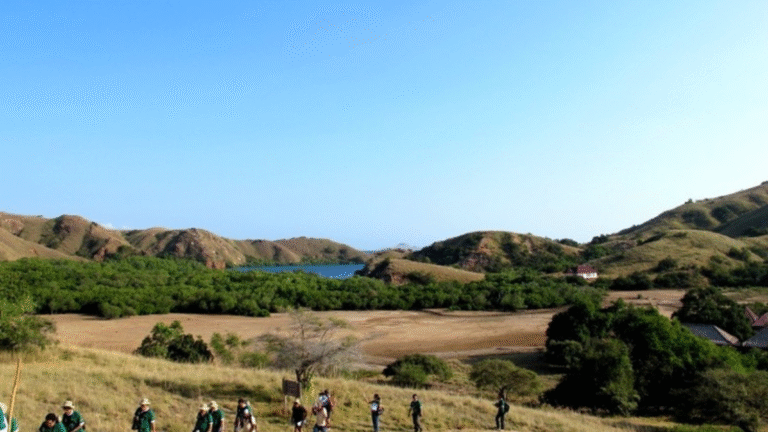
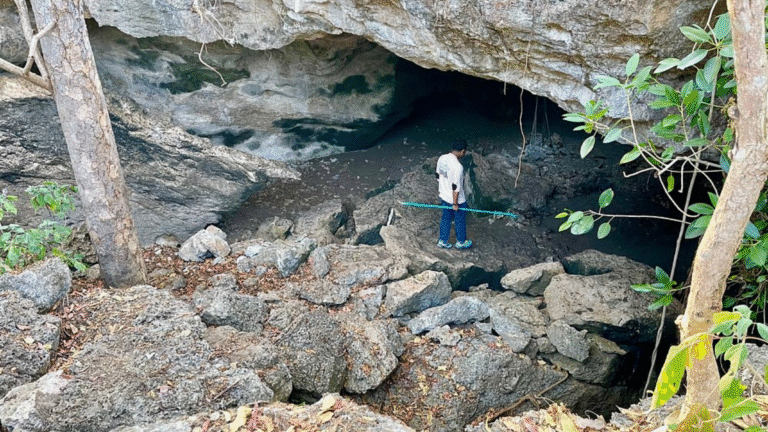
Reaching Rinca Island is relatively straightforward due to its location within Komodo National Park and its boat access from Labuan Bajo, the main gateway to the area. Most visitors arrive as part of organized boat routes that combine wildlife observation and island exploration. Travel time generally ranges from two to three hours depending on sea conditions and vessel type, with speedboats offering faster transfers and traditional wooden boats providing a more scenic journey. Entry to the island is regulated under national park conservation rules, including ranger supervision and mandatory entrance permits. Planning ahead is important, especially during the April to December season when sea conditions are more stable and wildlife sightings are frequent. The route structure, timing, and sailing details are outlined in the Komodo Island sailing itinerary guide.
The Komodo Dragon and Rinca Island: Nature's Ancient Reptile Sanctuary
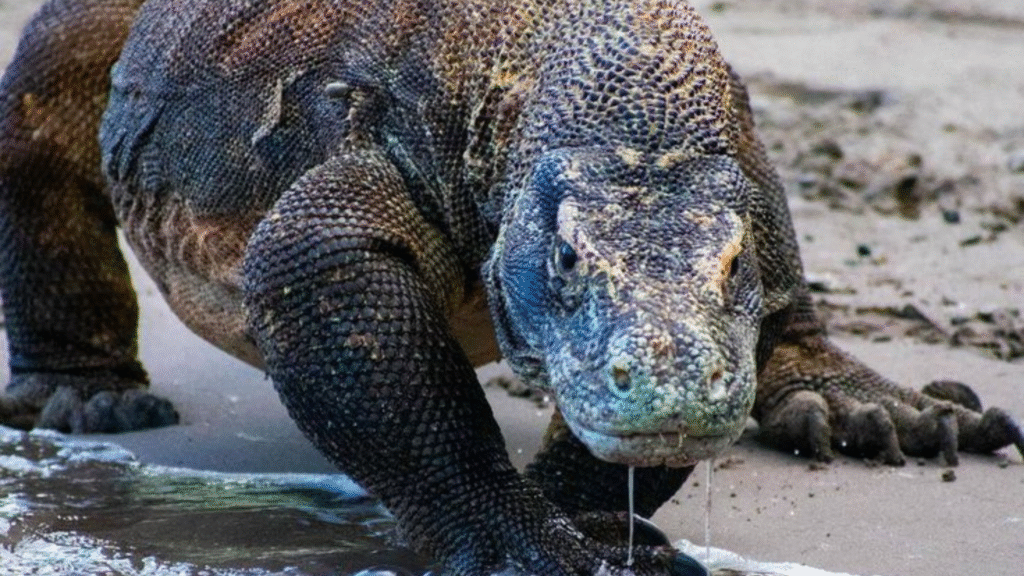
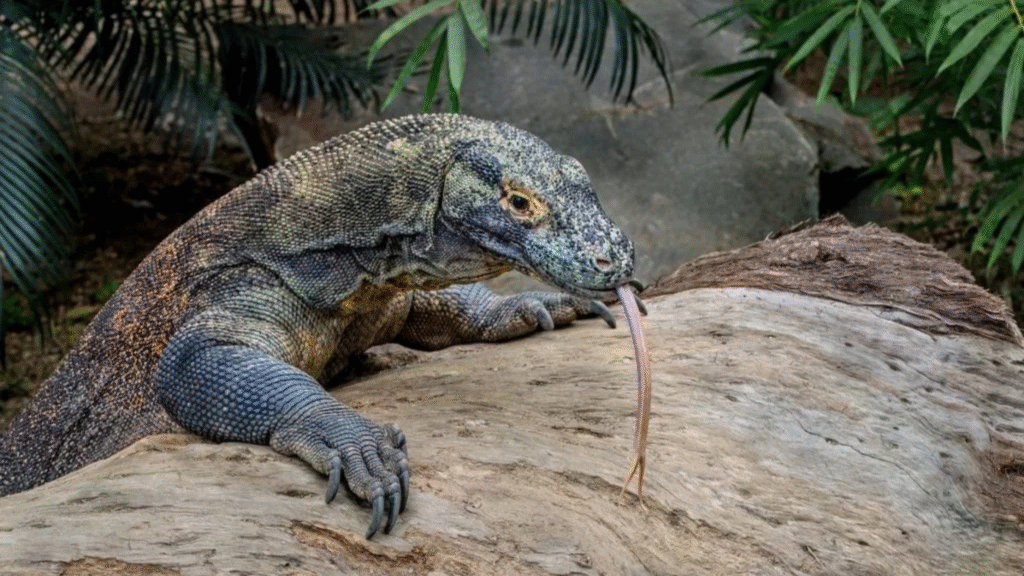
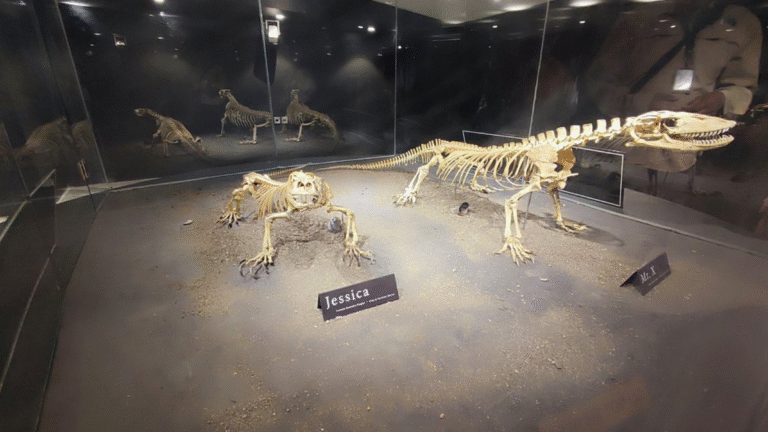
這 Komodo dragon (Varanus komodoensis) is the largest living lizard species, reaching up to three meters in length. Recognized for its muscular build, sharp teeth, and powerful jaws, it is an apex predator that feeds on deer, wild boar, and carrion. Equipped with a strong sense of smell and venomous bite, the species plays a vital role in maintaining ecological balance within Komodo National Park. Classified as vulnerable due to habitat loss and poaching, the Komodo dragon is protected under national conservation regulations. Since the establishment of Komodo National Park in 1980, long-term habitat protection and regulated tourism have been central to safeguarding this iconic species in its natural environment.
Wildlife Beyond the Komodo Dragons
Beyond the presence of Komodo dragons, this island supports a diverse range of wildlife within its protected ecosystem. Wild boars and water buffalo are commonly seen during treks, contributing to the ecological balance by grazing and foraging across savannah and forested areas. These species play an important role in maintaining soil fertility and vegetation cycles within the park. The island is also home to various bird species, including orange-footed scrubfowl, egrets, and herons, reflecting the region’s ecological diversity. Combined with endemic plant life adapted to dry tropical conditions, the landscape represents a well-preserved habitat shaped by long-term conservation management. Exploring the wider wildlife highlights the interconnected ecosystem that sustains both terrestrial and avian species within Komodo National Park.

Recommended Activities on Rinca Island
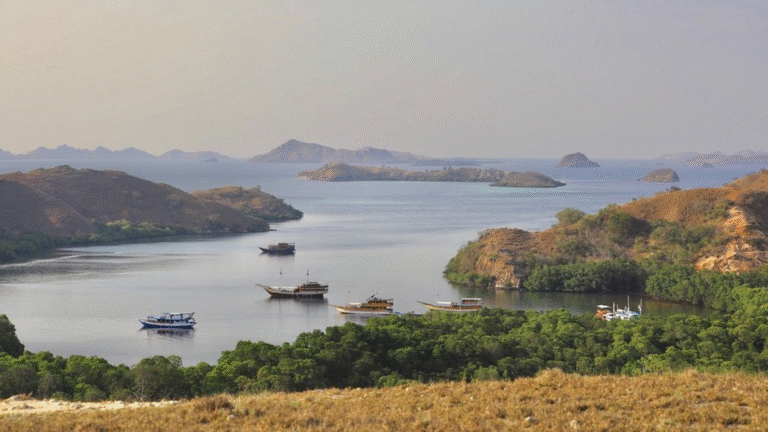
As part of Komodo National Park, this island is widely recognized as a protected habitat of the Komodo dragon, the world’s largest living lizard. All activities are conducted under national park regulations, with certified rangers accompanying visitors during guided treks to ensure safety and wildlife protection. Well-established trekking routes lead to elevated viewpoints overlooking surrounding islands and coastal waters. Beyond dragon observation, the island supports wild boars, water buffalo, and diverse bird species, reflecting a balanced savannah ecosystem shaped by long-term conservation management. Surrounding waters also offer regulated snorkeling and diving sites known for healthy coral reefs, manta rays, and strong currents suited for experienced divers. Combined with opportunities to observe local cultural practices in nearby communities, the experience represents a structured blend of wildlife exploration, marine biodiversity, and responsible tourism within Komodo National Park.
Best Times to Visit Rinca Island
The best time to visit this part of Komodo National Park largely depends on weather conditions and wildlife activity. The dry season, from April to December, is generally considered the most favorable period for travel. During these months, sea conditions are more stable, rainfall is minimal, and Komodo dragons are more active in open areas, increasing the likelihood of sightings during guided treks. Between June and September, temperatures are typically comfortable and trekking conditions are optimal. In contrast, the wet season from January to March brings heavier rainfall, which can affect boat schedules and reduce visibility for wildlife observation. However, the landscape becomes greener and visitor numbers are lower during transitional months such as April and October. Choosing the right season allows for safer travel logistics and a more structured wildlife experience within the park’s regulated conservation framework.
Practical Tips for Visiting Rinca Island
Proper preparation is essential when visiting this protected area within Komodo National Park. The tropical climate is generally warm and humid, so lightweight clothing, sun protection, and sturdy walking shoes are recommended for trekking across uneven terrain. Insect repellent, sunscreen, and adequate hydration are important, especially during dry-season hikes under direct sunlight. As access is regulated, all visitors must follow ranger instructions and remain on designated trails to ensure safety and wildlife protection. Feeding or approaching animals is strictly prohibited under conservation guidelines. Basic health precautions, including personal medication and travel insurance, are advisable due to the island’s remote location and limited medical facilities. Practicing responsible tourism helps preserve the ecosystem while supporting local communities and long-term conservation efforts within the national park.
Conclusion: Discovering the Raw Beauty of Rinca Island
Exploring this protected area within Komodo National Park offers more than just sightings of Komodo dragons. The landscape of savannah hills and coastal waters supports a carefully managed ecosystem, with guided treks conducted under official conservation guidelines. Encounters with Komodo dragons in their natural habitat remain a key highlight, while nearby marine zones provide regulated snorkeling opportunities. The experience reflects the balance between wildlife exploration and long-term environmental protection within one of Indonesia’s most important conservation areas.
 简体中文
简体中文  English (UK)
  Bahasa Indonesia
  Français