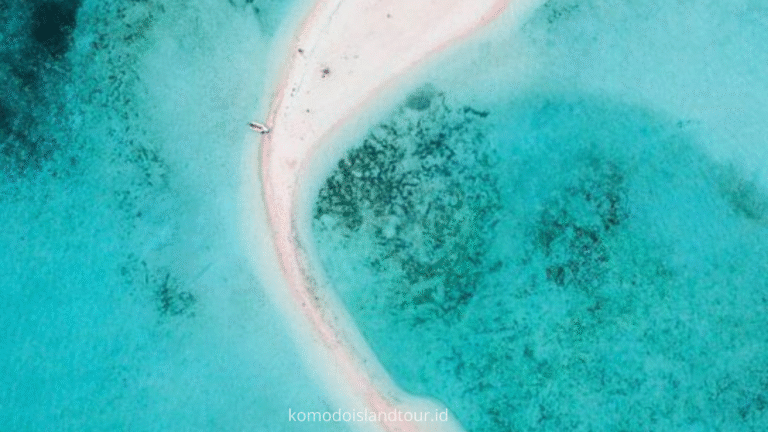
Taka Makassar is one of the essential stops within structured multi-day sailing routes across Komodo National Park. Its position within the journey reflects how experienced operators design sailing programs based on tidal patterns, inter-island distances, safety considerations, and marine conservation zones. Rather than being a standalone destination, Taka Makassar forms part of a carefully sequenced route that balances scenic viewpoints, snorkeling areas, and wildlife encounters, ensuring both environmental responsibility and a well-paced travel experience.
Taka Makassar: Indonesia’s Hidden Sandbank Paradise in the Komodo Sea
Introduction to Taka Makassar
Unique Features of Taka Makassar
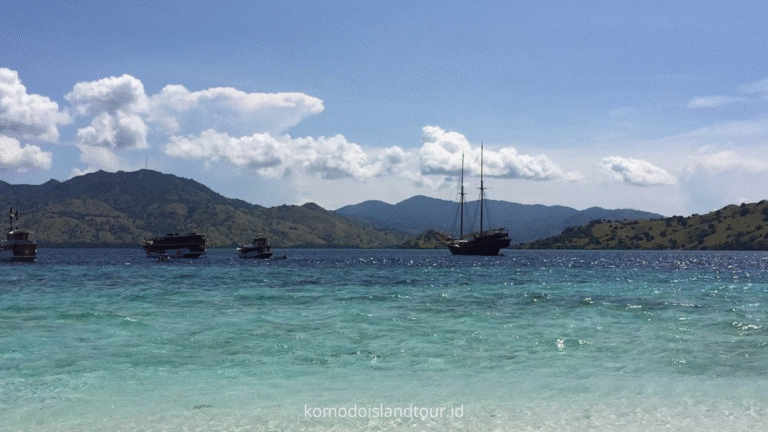
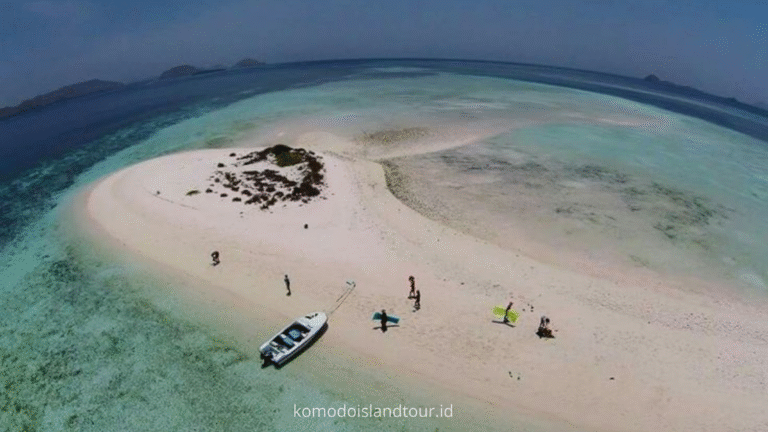
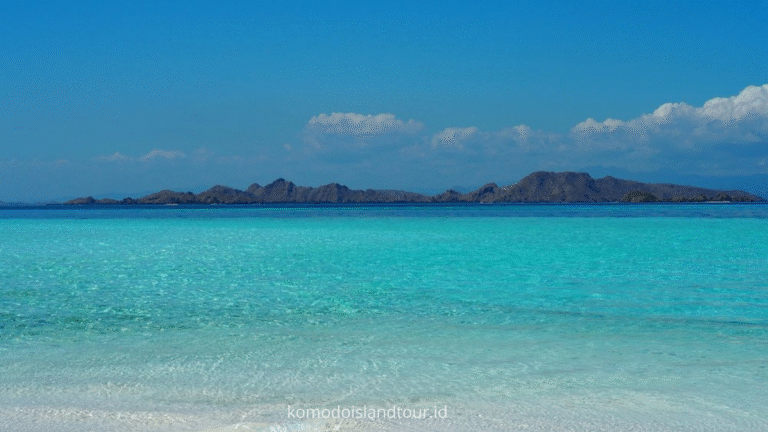
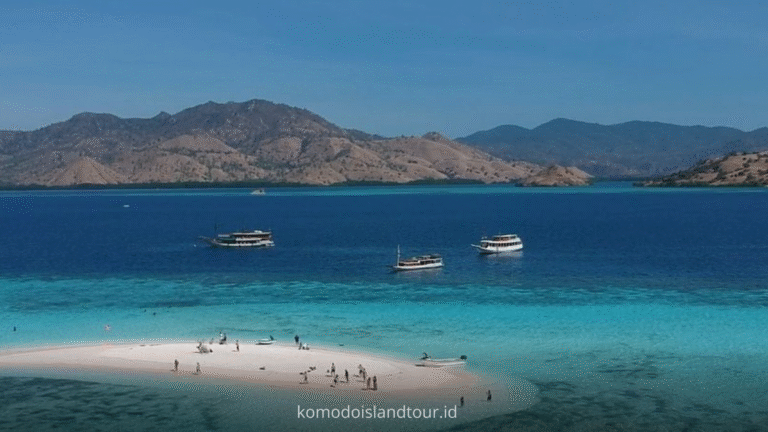
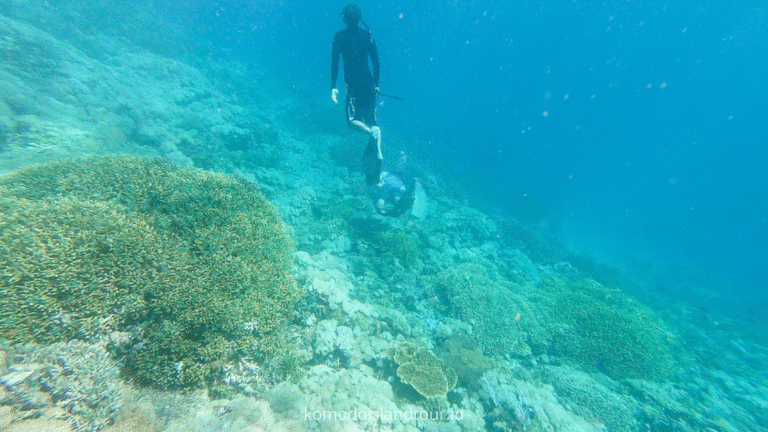
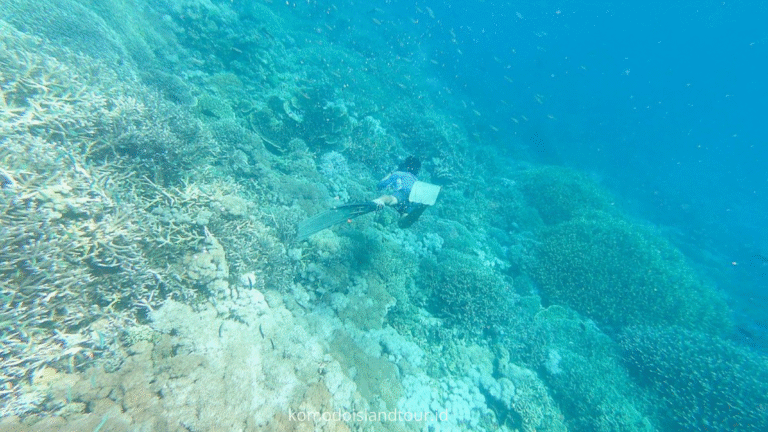
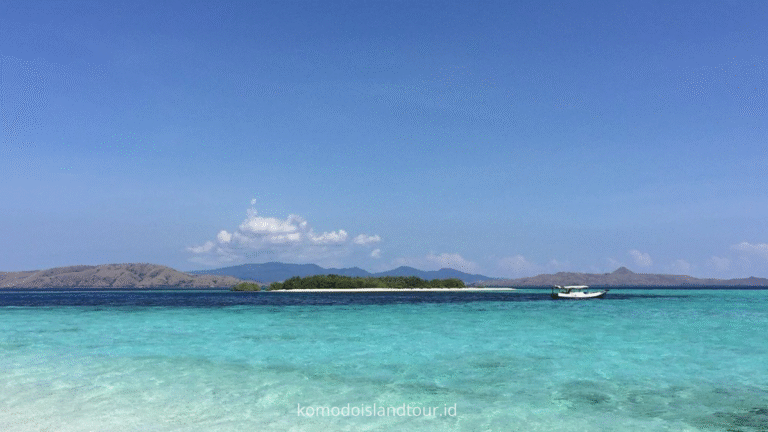
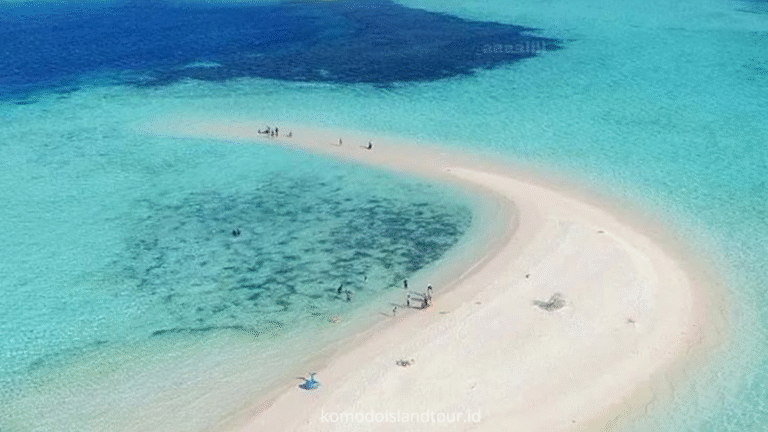
Located within the marine ecosystem of Komodo National Park, this crescent-shaped sandbank is known for its pristine white sand and exceptionally clear turquoise waters. The surrounding coral reefs support diverse marine species and play a critical role in maintaining ecological balance within the protected conservation zone. Calm, shallow waters offer excellent visibility for snorkeling, allowing visitors to observe healthy reef systems in their natural habitat. Its remote setting contributes to a quieter atmosphere compared to more crowded destinations, reflecting the importance of regulated visitor access and sustainable marine tourism practices. The combination of intact reef structures, strong conservation oversight, and carefully managed sailing routes makes this location an integral part of responsible travel experiences in East Nusa Tenggara.
Getting to Taka Makassar
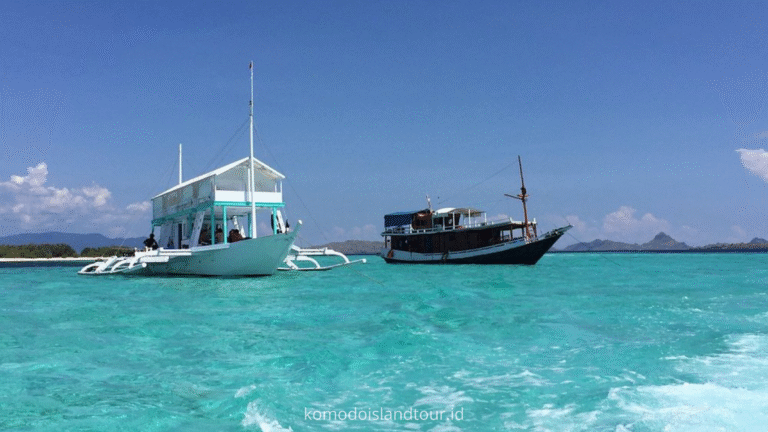
Reaching Taka Makassar typically involves a boat trip from Labuan Bajo, the main gateway to Komodo National Park. The journey itself is scenic, offering views of the Flores Sea and surrounding islands. Travelers can choose between speedboats, which take around 30 to 45 minutes and are ideal for small groups, or traditional wooden phinisi boats, which provide a slower and more immersive experience of about one to two hours. Most trips include additional stops at nearby highlights such as Komodo Island and Padar Island, often combined with snorkeling or light trekking. During peak season, advance booking is recommended, and some tours allow flexible itineraries with extended stops at selected locations.
Inclusion in Komodo Island-Hopping Tours
Taka Makassar, a beautiful sandbank near Komodo National Park, is a popular stop on island-hopping tours. Known for its clear waters and scenic views, it offers opportunities for swimming and snorkeling in calm, shallow seas. During typical Komodo tours, visitors often explore Padar Island and Komodo Island before stopping at Taka Makassar as a relaxing break between trekking activities. The sandbank provides a peaceful setting to enjoy the landscape and observe vibrant marine life beneath the surface. Its strategic location and pristine scenery make it a memorable highlight within many Komodo itineraries, balancing adventure with moments of relaxation.
Best Time to Visit Taka Makassar
When planning a visit, the best time to explore Taka Makassar is during the dry season from April to September. These months offer minimal rainfall, calmer seas, and excellent water visibility, creating ideal conditions for swimming, snorkeling, and diving. From October to March, occasional rain and higher humidity may affect outdoor activities and water clarity. However, visiting during the shoulder months of October and March can mean fewer crowds and a quieter atmosphere. July and August are peak travel months, so advance booking is recommended. Ultimately, the ideal time depends on whether you prioritize perfect weather conditions or a more peaceful experience.
What to Bring for Your Trip to Taka Makassar
When preparing for a trip to Taka Makassar, pack essentials that support comfort, safety, and environmental responsibility. Snorkeling gear such as a mask, snorkel, and fins will allow you to explore the vibrant coral reefs and marine life. Sun protection is important, so bring high-SPF sunscreen, sunglasses, and a hat. Choosing reef-safe sunscreen helps protect the surrounding marine ecosystem. Lightweight, water-resistant footwear is also recommended for moving comfortably between sandy and rocky areas. A reusable water bottle helps you stay hydrated while reducing plastic waste. Lastly, bring a camera or waterproof phone case to capture the scenery and underwater moments.
Preserving Taka Makassar’s Natural Beauty
Taka Makassar is known for its striking beauty, but its fragile marine ecosystems require careful protection. Responsible tourism is essential to preserve coral reefs, shoreline stability, and marine habitats within this protected area. Tourism pressure such as overcrowding and pollution can damage reef systems if not properly managed. Visitors are encouraged to follow local regulations, avoid stepping on coral, dispose of waste responsibly, and respect designated areas. Supporting conservation efforts, choosing sustainable operators, and minimizing environmental impact help ensure that this natural site remains preserved for future generations.
Things to Do on Taka Makassar
Surrounded by vibrant coral reefs and calm turquoise waters, this sandbank offers a balanced mix of relaxation and adventure. Snorkeling is one of the main activities, with clear visibility and diverse marine life including colorful fish and healthy coral formations. For those seeking a slower pace, the soft white sand and gentle waves create a peaceful setting for sunbathing or quiet walks along the shoreline. The open horizon and changing light throughout the day also provide excellent conditions for photography, especially during sunset. Beyond water activities, short walks around the area allow visitors to appreciate the natural landscape and coastal ecosystem. The combination of marine exploration, scenic views, and tranquil atmosphere makes it a well-rounded stop within a Komodo sailing journey.
Conclusion: Why Taka Makassar Should Be Your Next Destination
Set within the waters near Komodo National Park, this sandbank offers a quiet escape from more crowded destinations. Clear turquoise waters and healthy coral reefs create excellent conditions for snorkeling while supporting an important marine ecosystem. The soft sandy shoreline provides space for relaxation, light walks, and uninterrupted ocean views. Limited visitor traffic adds to the sense of privacy, allowing travelers to experience a calmer side of Komodo’s coastal landscape. Beyond its natural appeal, the surrounding region reflects local culture and traditional maritime life, adding depth to the overall journey. The combination of intact marine habitats, scenic beauty, and peaceful atmosphere makes this location a memorable highlight within the Komodo area.