Planning a Komodo Island Tour in 2026? Read This First

komodo-tour-guide-2026-komodo-tour-indonesia

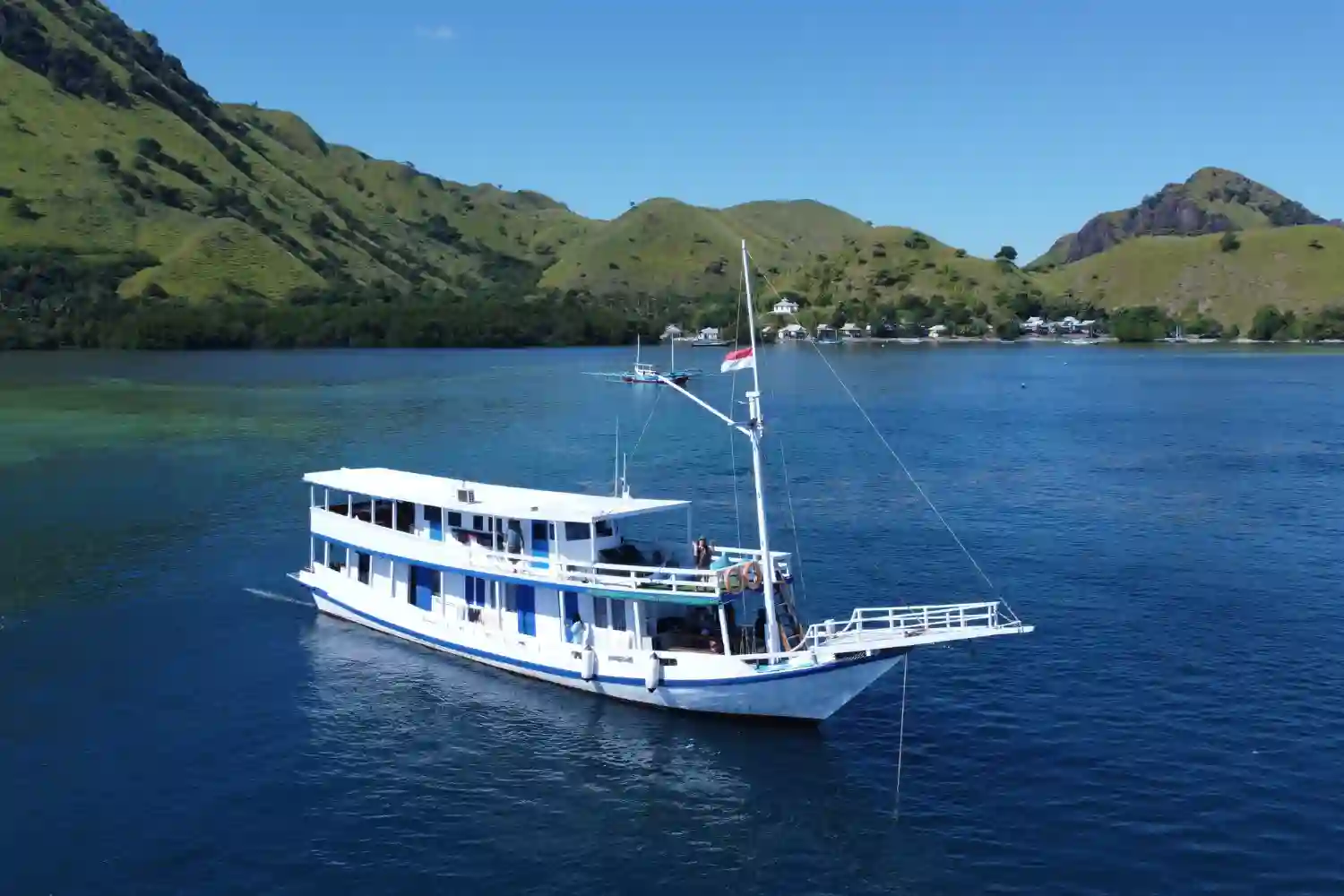
A Komodo Island tour is not simply a holiday. It is a sea expedition into one of the most extraordinary protected areas on Earth, where raw nature still defines the experience. Access to Komodo National Park is entirely by sea, whether by traditional wooden phinisi boat, speed boat, or an occasional luxury cruise ship that docks only a few times each month. There are no highways, no direct airport landings on the main islands, and no artificial attractions built for mass tourism. Everything begins and ends on the ocean.

This journey means waking up to open horizons, sleeping under starlit skies, and moving from island to island guided by tides and weather conditions. The remoteness is not a marketing slogan, it is a reality that shapes the rhythm of every trip. Signal may disappear, waves may rise, and schedules can adapt to nature. That is precisely what makes the experience authentic.

Before planning your trip, it is essential to understand the true character of this national park so your expectations align with reality. Komodo is wild, protected, and carefully regulated. It rewards travelers who come prepared, informed, and respectful. Those who understand this from the beginning often leave not only with beautiful photos, but with a deeper appreciation of one of the last truly untouched marine landscapes in Indonesia.

Where Is Komodo National Park?

Komodo National Park is located in Flores, East Nusa Tenggara, Indonesia. The park gained global recognition after being designated a World Heritage Site by UNESCO. Long before international attention arrived, this region was isolated and wild, far removed from modern urban life. That remoteness is precisely why much of its ecosystem remains remarkably preserved.

The park consists of several major islands, including Komodo Island, Rinca Island, and Padar Island, along with dozens of smaller surrounding islands. Together, they form a protected marine and terrestrial conservation area covering thousands of square kilometers. The waters surrounding the islands are part of the Coral Triangle, one of the most biodiverse marine regions in the world, supporting vibrant coral reefs and hundreds of fish species.

Strict conservation regulations are implemented to maintain ecological balance. Visitor access is monitored, trekking must be conducted with official park rangers, and certain marine zones are protected to allow reef regeneration. These management efforts are not restrictions designed to limit tourism, but essential measures to ensure that wildlife, coral ecosystems, and natural habitats remain intact for future generations.

Understanding this protected status is important before visiting. Komodo National Park is not a theme park or a commercial beach destination. It is a living conservation area where sustainability, safety, and respect for nature come first.

A Rare and Irreplaceable Ecosystem

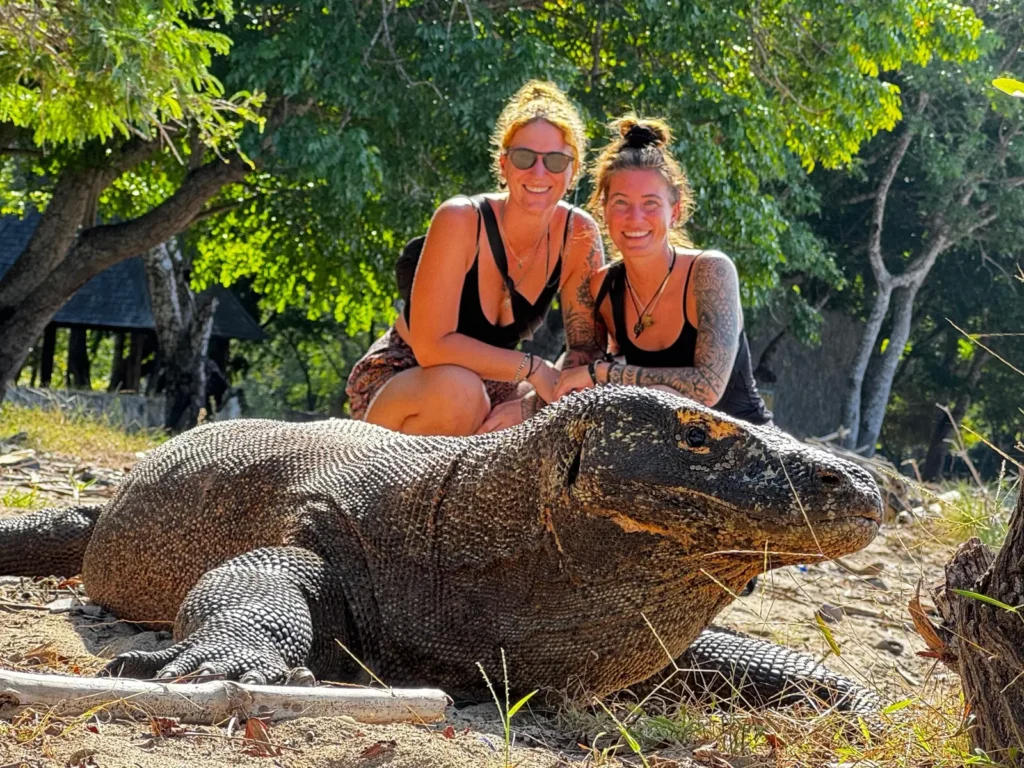
Komodo National Park is home to the legendary Komodo dragon, the world’s largest living lizard and a prehistoric predator found nowhere else naturally. However, the uniqueness of the park extends far beyond its iconic reptile. The landscape blends dry savannah hills that turn golden during the dry season, mangrove forests that serve as vital nurseries for marine species, rugged volcanic islands shaped by ancient geological activity, and vibrant coral reefs surrounding nearly every shoreline.

This rare combination of terrestrial and marine ecosystems within one protected boundary makes the area scientifically significant. Researchers continue to study predator behavior, reef resilience, and climate adaptation patterns here, reinforcing the park’s global ecological importance.

The meeting of warm and cold ocean currents creates nutrient-rich waters. This natural oceanographic phenomenon supports plankton growth, which in turn sustains an impressive diversity of marine life. As a result, divers and snorkelers can encounter manta rays, reef sharks, sea turtles, schooling fish, and seasonal pelagic species in relatively shallow waters. These dynamic conditions are also why the region is frequently listed among the world’s premier diving destinations.

Unlike many tropical destinations that rely heavily on artificial reef management or marine feeding programs, Komodo’s underwater ecosystem thrives naturally. Its biodiversity is the result of geography, currents, and long-term conservation efforts rather than human intervention.

Iconic Destinations Inside the Park

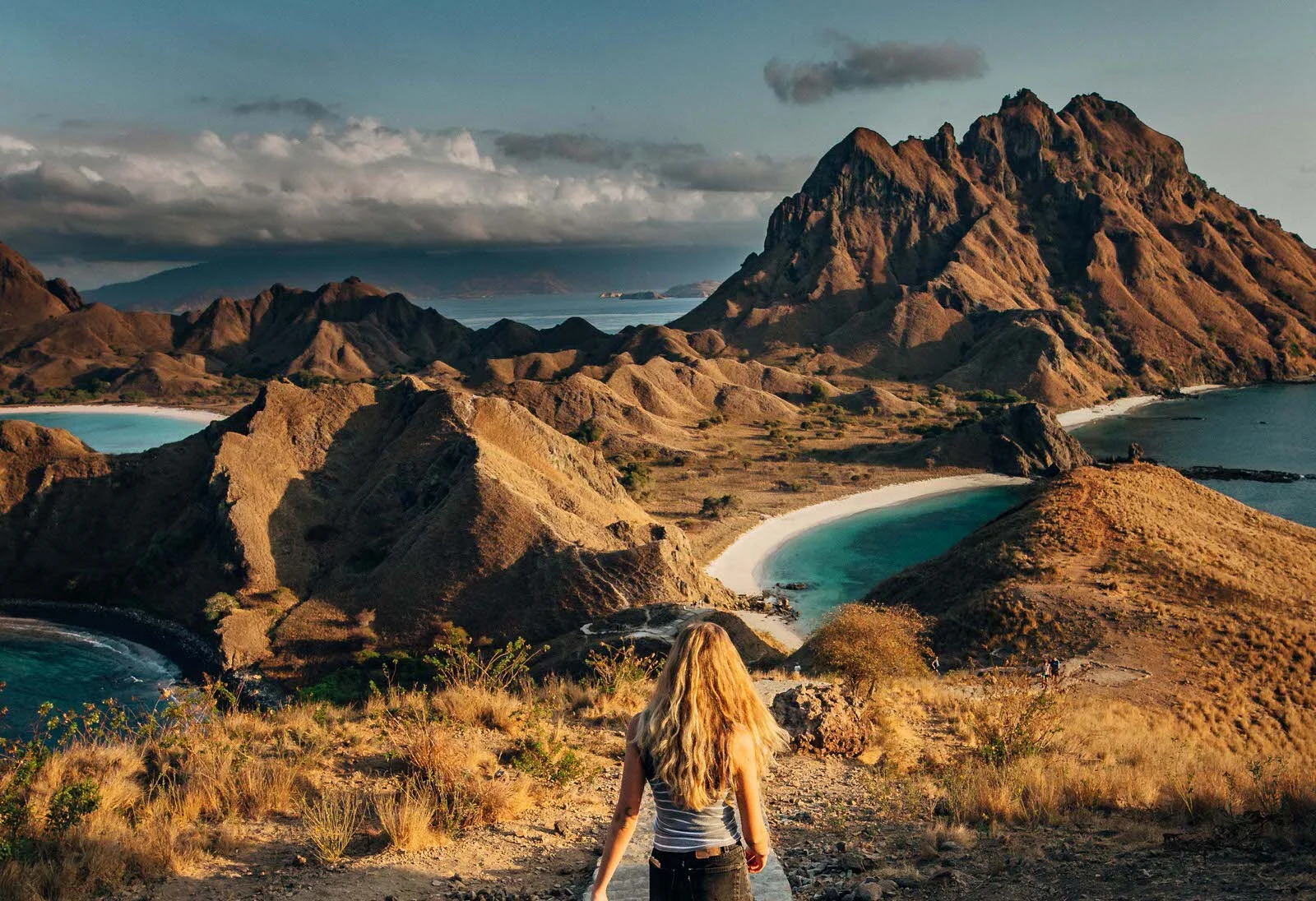
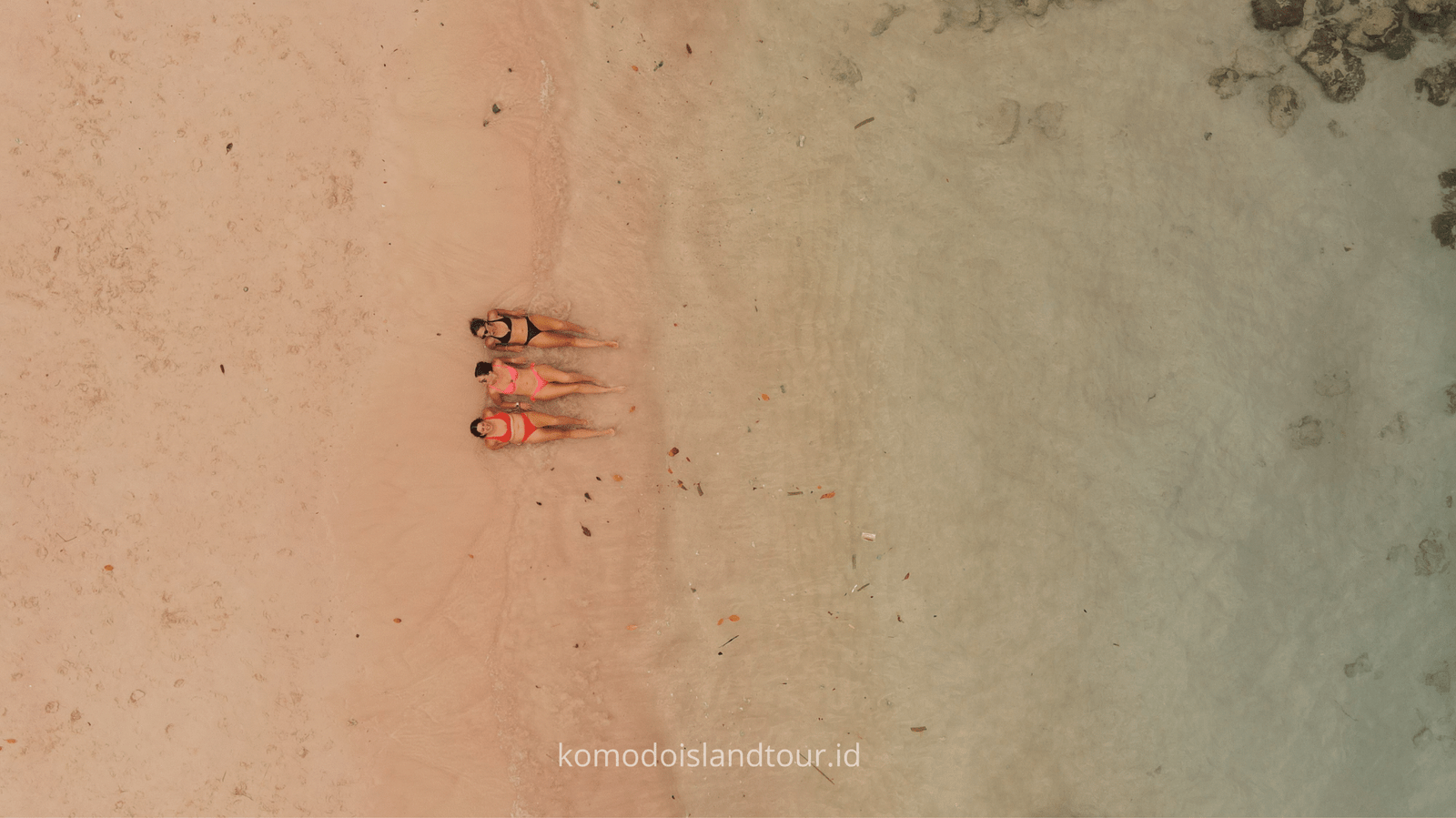
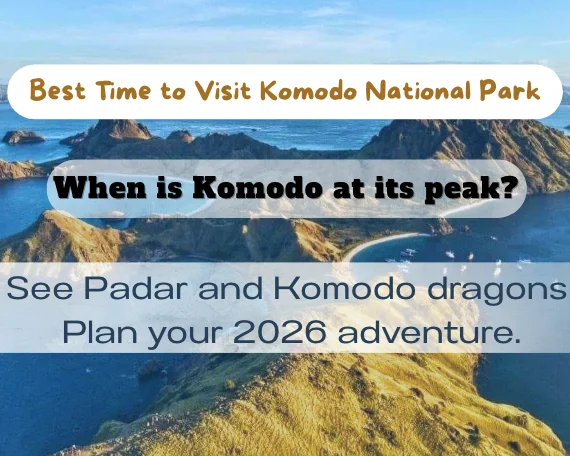
One of the most photographed viewpoints in Indonesia is located on Padar Island. From the summit, visitors see three crescent-shaped bays with different sand colors forming a dramatic panorama. Travelers are also drawn to pink sand beaches, pristine white shores, and volcanic black beaches that highlight the geological diversity of the islands.

Underwater, snorkelers and divers may encounter manta rays, sea turtles, reef sharks, and during certain seasons even whales. The marine biodiversity here is completely wild and untouched.

How to Reach Komodo National Park

Labuan Bajo serves as the primary gateway to Komodo National Park. From this harbor town, visitors can choose between one-day speedboat tours that cover major highlights such as Padar Island, Komodo or Rinca trekking, Pink Beach, and manta snorkeling points, or 2 Days 1 Night and 3 Days 2 Nights liveaboard trips that allow a slower and more immersive exploration of the park. Multi-day cruises typically include sunrise hikes, multiple snorkeling sessions, sunset viewpoints, and overnight stays anchored in quiet bays inside the national park.

For travelers starting from Lombok, a different route is available. The 4 Days 3 Nights liveaboard cruise from Lombok to Labuan Bajo offers a longer sea expedition experience. One of the main highlights of this itinerary is the whale shark encounter in Saleh Bay, Sumbawa, where guests have the opportunity to swim responsibly alongside wild whale sharks in their natural environment. This experience takes place before entering the Komodo National Park area, making the Lombok departure route unique compared to the Labuan Bajo short trips. After crossing into the park, the itinerary continues with ranger-guided trekking to see Komodo dragons, snorkeling with manta rays, and visiting iconic islands such as Padar.

There are no roads or airports inside the main islands of the park. Every exploration is conducted entirely by boat and supervised under official park regulations. This structure is not a limitation, but a fundamental part of the experience. Komodo is designed to be explored by sea, and every itinerary follows conservation rules to ensure safety and environmental protection.
Is a Komodo Tour Suitable for Everyone?

Yes, but only with proper awareness and realistic expectations. A Komodo tour is an adventure-based sea journey, not a conventional resort vacation. Understanding this difference is essential before booking.

First, it is an open sea expedition. Travel between islands takes place across real ocean conditions, not sheltered lakes. Weather patterns, wind direction, and seasonal currents can influence comfort levels, especially on smaller vessels. Travelers who are prone to seasickness should prepare appropriate medication in advance and inform the crew if needed. It is also important to be physically prepared for light trekking under the sun and basic movement on a boat deck that may sway.

Second, it is a wild habitat and not a zoo. Komodo dragon are natural apex predators living in their original ecosystem. All land visits must be conducted with official park rangers, and safety briefings are mandatory. While snorkeling and swimming are breathtaking experiences, certain spots may have strong and unpredictable currents. Guests must always follow guide instructions, use proper life jackets when required, and avoid swimming beyond designated safe zones.

Third, luxury has natural limitations. Even on premium phinisi boats, facilities are adapted to maritime conditions. Wi-Fi signals may disappear completely once offshore. Fresh water is carefully managed due to storage limitations. Electricity depends on onboard generators. Menu selections are curated and limited by supply logistics. Engine sounds or anchor movements may be heard during the night.

For travelers who understand these realities, the experience becomes deeply rewarding. Those seeking controlled, city-style comfort may find it challenging. However, for those who value authenticity, nature, and adventure, a Komodo tour can be one of the most memorable journeys in Indonesia.


Best Time to Visit

The dry season, generally between April and November, offers calmer seas and clearer visibility for snorkeling and diving. During these months, ocean crossings are typically more stable, underwater visibility improves significantly, and trekking conditions are more comfortable under clearer skies. This period is widely considered the safest and most consistent season for liveaboard trips and island exploration inside Komodo National Park.

Each season presents different scenery and wildlife behavior, so selecting the right travel period improves both safety and overall experience. The dry months often bring golden savannah landscapes, active marine life, and reliable sailing schedules.

From December until mid-March, however, the region enters the rainy season influenced by strong west monsoon winds. Sea conditions during this period can become unpredictable, with higher waves, heavier rainfall, and limited visibility underwater. For this reason, many boats use these months for maintenance, engine overhauls, safety inspections, repainting, and structural upgrades. It is a common operational practice in the Komodo liveaboard industry.

We do not recommend traveling during this monsoon period. Komodo Tour Indonesia officially closes bookings between December and mid-March due to increased maritime risks and unstable weather conditions. Although a few vessels may still operate, sailing during this season carries significantly higher safety concerns. Choosing the proper travel window is not only about comfort, but about responsible decision-making and minimizing avoidable risk.

Booking a Komodo Tour Safely

To ensure a secure and well-managed experience, book through licensed and transparent operators such as Komodo Tour Indonesia  In Labuan Bajo or Kompass Komodo in Lombok. A professional agency does more than sell a seat on a boat. They provide clear explanations about the itinerary, safety standards, park regulations, risk factors, and what guests should realistically expect during the journey. Transparent communication before payment is a strong indicator of professionalism.

Avoid last-minute bookings without proper research. Many travelers who book impulsively at the harbor or through informal street offers later discover that the boat quality, safety equipment, or itinerary differs from what was promised. Be cautious of brokers without official offices who offer unrealistic discounts. Lower prices can sometimes reflect reduced safety standards, limited accountability, or unclear service responsibility.

When choosing a reliable operator, look for these important characteristics:

  • They have a physical office in Lombok or Labuan Bajo, which means they operate with accountability and local presence.

  • Payment is made to an official company bank account, not to a personal account. This shows financial transparency and legal structure.

  • They issue official booking tickets or invoices stamped with the company name and contact details.

  • They provide honest information about sea conditions, cabin types, facilities, and risks, rather than exaggerated marketing promises.

  • Their pricing is often slightly higher than street brokers because licensed companies maintain staff salaries, office rent, insurance, permits, and operational standards.

Professional operators invest in long-term sustainability, trained crews, proper safety equipment, and compliance with park regulations. While the price may not be the cheapest, the value lies in security, clarity, and peace of mind. In a remote marine destination like Komodo National Park, choosing the right operator is one of the most important decisions you will make before departure.

Responsible Tourism

Komodo National Park is a protected conservation area. Visitors share responsibility in preserving its fragile ecosystem. Avoid plastic waste, do not step on coral reefs, and never disturb wildlife.

Responsible travel in Komodo is not only about following rules, it is about understanding simple cause and effect in a remote environment. On small islands, there is limited waste management. When trash is left behind, it does not “disappear”, it often ends up in the ocean, then breaks into microplastics, then enters fish and the food chain. The easiest prevention is personal discipline. Bring a reusable bottle if your operator provides refills, keep your trash in a dry bag, and make sure it returns to the boat with you.

In the water, coral reefs are not rocks. They are living structures that grow slowly. One careless fin kick, standing on coral for a photo, or grabbing it to “balance” can break decades of growth in seconds. The logical habit is simple. Maintain buoyancy, keep your distance, and treat the reef like glass. If visibility is low or currents are strong, wear a life jacket and follow the guide’s route instead of improvising.

On land, wildlife stress is also real. Komodo dragons and other animals change behavior when surrounded by crowds, loud voices, or people who get too close for photos. The safest and most respectful approach is to stay behind the ranger, keep a calm distance, and never feed or provoke any animal. If you see another guest behaving recklessly, the most responsible action is to alert the guide, not to argue or escalate the situation yourself.

A journey to Komodo is often described as one of the most unforgettable experiences in Indonesia. With proper preparation, respect for nature, and informed booking decisions, it can become a lifetime highlight while ensuring this remarkable destination remains preserved for generations to come. The best tourists are not the ones who take the most photos, but the ones who leave no trace and allow the next traveler to experience Komodo in the same wild and beautiful state.

Conclusion

A Komodo Island tour is not an ordinary vacation. It is a journey into a protected marine wilderness that requires awareness, preparation, and responsible decision-making. Understanding the season, choosing a licensed and transparent operator, respecting safety guidelines, and protecting the fragile ecosystem are not optional details. They are essential parts of the experience.

Komodo rewards informed travelers. Those who come with realistic expectations, respect for nature, and careful planning often leave with more than beautiful photos. They leave with perspective. When approached correctly, a Komodo tour becomes one of the most powerful and unforgettable experiences in Indonesia, while ensuring that this extraordinary national park remains preserved for generations to come.

Scroll to Top